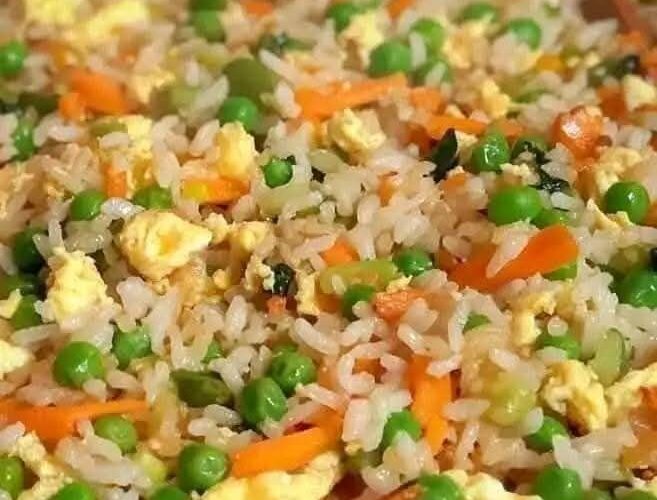
The Ultimate Homemade Fried Rice Guide for Flavorful Weeknight Meals
Fried rice is one of the most popular and versatile comfort foods enjoyed around the world. Known for its bold savory flavor, fluffy rice texture, colorful vegetables, and quick cooking time, fried rice has become a favorite meal for busy weeknights, quick lunches, meal prep, and even festive gatherings. Whether served as a side dish or a complete main course, this easy fried rice recipe delivers satisfying flavor using simple everyday ingredients.
What makes homemade fried rice so special is its incredible flexibility. You can keep it simple with vegetables and eggs or turn it into a hearty meal by adding chicken, shrimp, tofu, or other proteins. The beauty of fried rice lies in transforming leftover rice into something deeply flavorful and restaurant-worthy within minutes.
Traditional fried rice traces its roots back to ancient Chinese cooking, where leftover rice was stir-fried with vegetables and seasonings to avoid food waste. Over time, fried rice evolved into countless regional styles across Asia and beyond. From Chinese-style egg fried rice to Thai fried rice and Indonesian nasi goreng, every culture has developed unique versions using local ingredients and flavors.
Today, fried rice remains one of the most searched comfort food recipes because it is fast, affordable, customizable, and family-friendly. It works well for beginner cooks while also offering endless opportunities for creativity in the kitchen.
One of the secrets to making the best fried rice is using cold day-old rice. Freshly cooked rice contains excess moisture, which can make fried rice soft or mushy. Chilled leftover rice has a firmer texture that fries beautifully in a hot skillet or wok, creating those perfectly separated grains associated with restaurant-style fried rice.
This easy fried rice recipe combines fluffy rice, scrambled eggs, sautéed vegetables, soy sauce, sesame oil, garlic, onions, and optional proteins for a balanced and flavorful meal. Every ingredient contributes something important to the final dish.
The rice acts as the hearty base, absorbing all the savory flavors from the seasonings and aromatics. Garlic and onion create a rich aromatic foundation, while peas and carrots add sweetness, color, and texture. Eggs bring protein and richness, while soy sauce adds salty umami depth that defines classic fried rice flavor.
Sesame oil is another essential ingredient because it adds nutty aroma and authentic Asian-inspired flavor. Even a small amount enhances the entire dish and gives fried rice its signature taste.
One reason fried rice recipes remain so popular is because they are incredibly convenient. Most ingredients are pantry staples or freezer essentials, making this dish easy to prepare without special shopping trips. Frozen vegetables work perfectly, and leftover cooked proteins can be quickly added for a complete meal.
Homemade fried rice is also far more customizable than takeout. You can control the sodium, oil, spice level, and ingredient quality while adjusting flavors to suit your preferences. This flexibility makes fried rice suitable for many diets and lifestyles.
For healthier fried rice, many people use brown rice or quinoa instead of white rice. Additional vegetables like broccoli, mushrooms, bell peppers, zucchini, spinach, or cabbage can also be added for more nutrition and texture. Lean proteins such as shrimp, chicken breast, tofu, or edamame help make the meal more balanced and filling.
The cooking method is equally important for achieving authentic fried rice texture. High heat helps create the lightly smoky flavor known as “wok hei,” often associated with restaurant-style stir-fried dishes. Cooking quickly over high heat prevents steaming and helps maintain texture in both the rice and vegetables.
Using a large wok or skillet is ideal because it allows ingredients to cook evenly without overcrowding. Stir-frying ingredients separately also helps maintain their texture and flavor. Eggs are usually cooked first and removed temporarily to prevent overcooking.
Another important tip is breaking apart rice clumps before adding them to the skillet. This helps each grain fry evenly and absorb seasoning properly. A spatula works well for gently separating the rice while stir-frying.
One of the biggest advantages of fried rice is how quickly it comes together. Once the ingredients are prepared, the entire dish can be ready in less than 20 minutes. This makes it perfect for busy families, students, or anyone looking for quick dinner ideas without sacrificing flavor.
Fried rice is also ideal for reducing food waste. Leftover vegetables, cooked meats, and extra rice can all be repurposed into a delicious meal. This practical aspect is one reason fried rice became such an important part of home cooking traditions throughout Asia.
The texture combination in fried rice is another reason people love it so much. The fluffy rice, tender vegetables, soft scrambled eggs, and optional crunchy toppings create a balanced and satisfying eating experience.
Optional toppings can elevate fried rice even further. Chili flakes or chili paste add heat, while chopped peanuts or cashews provide crunch. Fresh cilantro, green onions, or lime wedges add freshness and brightness that balance the savory flavors beautifully.
Soy sauce remains one of the key ingredients because it provides saltiness, depth, and classic umami flavor. Some cooks also enjoy adding oyster sauce for extra richness and complexity. A little oyster sauce can create a deeper restaurant-style taste without overpowering the dish.
Fried rice also adapts well to different cuisines and flavor profiles. Pineapple fried rice offers sweet tropical flavor, while spicy fried rice incorporates chili sauces and peppers for heat. Seafood fried rice, kimchi fried rice, garlic fried rice, and curry fried rice are just a few popular variations enjoyed worldwide.
The simplicity of fried rice makes it highly approachable for beginner cooks. Unlike complicated recipes requiring precise timing or advanced techniques, fried rice is forgiving and flexible. Once you understand the basics, you can easily customize the recipe using whatever ingredients you have available.
Meal prep is another major advantage of fried rice recipes. Large batches store well in the refrigerator and can be reheated quickly for lunches or dinners throughout the week. Fried rice also freezes surprisingly well, making it convenient for busy schedules.
This recipe is especially useful when you need a satisfying meal without spending hours in the kitchen. Since everything cooks in one pan, cleanup is minimal, making it even more practical for everyday cooking.
The balance of flavors in fried rice is what makes it universally appealing. Salty soy sauce, nutty sesame oil, sweet vegetables, aromatic garlic, and savory eggs come together to create comfort food that feels both simple and deeply satisfying.
Green onions add freshness and mild sharpness that brighten the final dish. Sprinkling them over the fried rice just before serving helps maintain their crisp texture and vibrant flavor.
Protein additions make fried rice even more filling. Chicken fried rice remains one of the most popular takeout-style variations, while shrimp fried rice offers seafood flavor with light sweetness. Tofu is an excellent vegetarian option because it absorbs seasoning beautifully while adding plant-based protein.
Many people love fried rice because it can easily serve as either a side dish or a complete meal. Pair it with spring rolls, dumplings, stir-fried vegetables, cucumber salad, or soup for a larger spread, or enjoy it on its own for a quick satisfying dinner.
Another reason homemade fried rice is so popular online is because people actively search for “easy fried rice recipe,” “restaurant-style fried rice,” “quick rice dinner,” “better than takeout fried rice,” and “healthy fried rice ideas.” Recipes that combine convenience with bold flavor continue to rank highly among home cooks searching for reliable meal solutions.
One helpful technique for achieving authentic fried rice flavor is allowing the rice to sit undisturbed briefly while cooking. This creates slightly crispy bits that add texture and flavor to the dish.
Oil selection also matters. Neutral oils like vegetable oil are ideal for stir-frying because they tolerate high heat without overpowering the flavor. Sesame oil is added mainly for aroma and should be used in moderation.
For extra richness, some people add a small amount of butter near the end of cooking. This creates a silky finish and enhances the savory flavors even further.
If you enjoy spicy foods, adding chili garlic sauce, sriracha, or red pepper flakes can transform the dish into spicy fried rice with bold heat and flavor.
Fried rice is also excellent for entertaining because it can be made in large quantities quickly and affordably. It is filling, colorful, and appealing to a wide range of tastes and dietary preferences.
The aroma that fills the kitchen while making fried rice is another reason people love this dish so much. The scent of garlic, soy sauce, onions, and sesame oil cooking over high heat instantly creates a warm comforting atmosphere.
Despite its simplicity, fried rice offers incredible depth of flavor when prepared correctly. The layering of aromatics, seasonings, vegetables, eggs, and rice creates complexity that tastes far more impressive than the short ingredient list might suggest.
This homemade fried rice recipe proves that delicious meals do not need to be expensive or complicated. Using simple ingredients and basic cooking techniques, you can create a flavorful dish that rivals restaurant takeout while remaining budget-friendly and customizable.
Whether you enjoy classic vegetable fried rice, protein-packed chicken fried rice, or spicy variations loaded with bold flavor, fried rice remains one of the most satisfying and dependable comfort foods around the world.
Once you master this easy fried rice recipe, it will likely become one of your favorite quick meals for busy days, family dinners, lunch prep, or late-night cravings. The combination of fluffy rice, savory seasoning, tender vegetables, and aromatic garlic creates a timeless dish that never goes out of style.
Helpful Tips for Restaurant-Style Fried Rice
Always use cold day-old rice for the best texture and separated grains.
Prepare all ingredients before cooking because fried rice cooks very quickly.
Cook over high heat to create authentic stir-fried flavor and prevent soggy rice.
Avoid overcrowding the skillet or wok to maintain proper heat distribution.
Use low-sodium soy sauce if you prefer less salt.
Add sesame oil near the end of cooking for the best aroma.
Customize the recipe with your favorite vegetables and proteins.
For spicy fried rice, add chili paste, hot sauce, or crushed red pepper flakes.
Store leftovers in airtight containers and refrigerate for up to 4 days.
Reheat fried rice in a skillet rather than a microwave for better texture.
Easy Homemade Fried Rice Recipe
Ingredients
Base Ingredients
- 4 cups cooked day-old rice
- 3 tablespoons vegetable oil
- 2 eggs, beaten
- 3 tablespoons soy sauce
- 1 teaspoon sesame oil
- 3 garlic cloves, minced
- 1 small onion, finely chopped
Vegetables
- 1/2 cup frozen peas
- 1/2 cup diced carrots
- 2 green onions, sliced
Optional Protein
- 1 cup cooked chicken, shrimp, or tofu
Seasonings
- Salt to taste
- Black pepper to taste
Optional Additions
- Chili flakes or chili paste
- Pineapple chunks
- Oyster sauce
- Chopped cashews or peanuts
- Fresh cilantro
Instructions
Step 1: Prepare the Ingredients
Have all vegetables chopped and proteins ready before starting. Beat the eggs in a small bowl.
Step 2: Cook the Eggs
Heat 1 tablespoon vegetable oil in a large wok or skillet over medium-high heat. Add beaten eggs and scramble until just cooked. Remove and set aside.
Step 3: Sauté the Vegetables
Add another tablespoon of oil to the pan. Cook garlic and onion until fragrant, then stir in carrots and peas. Cook for 3–4 minutes.
Step 4: Fry the Rice
Push vegetables to the side and add the remaining oil. Add the cold rice and break apart any clumps. Stir-fry for several minutes until heated through.
Step 5: Combine Everything
Return eggs and optional protein to the skillet. Add soy sauce and sesame oil, stirring well to combine. Season with salt and black pepper.
Step 6: Garnish and Serve
Top with sliced green onions and optional toppings like chili flakes, cilantro, or nuts. Serve hot.
Storage Tips
- Refrigerate leftovers in airtight containers for up to 4 days.
- Reheat in a skillet over medium heat for best texture.
- Freeze portions for up to 2 months.
Source
Inspired by traditional Asian-style fried rice recipes and homemade takeout-style rice dishes.
