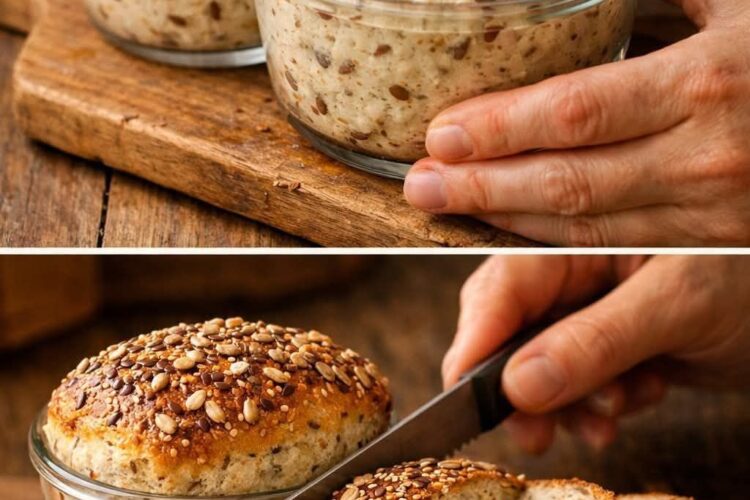
Finding a healthy bread alternative that is simple to prepare, nutritious, and made with wholesome ingredients can sometimes feel impossible. Traditional bread recipes often require flour, yeast, kneading, proofing, and lengthy preparation times. Fortunately, this easy flaxseed bread recipe offers a completely different approach.
Made with only three core ingredients, this homemade flaxseed bread is naturally gluten-free, low in carbohydrates, rich in dietary fiber, and suitable for a variety of healthy eating plans. Whether you’re following a keto-friendly lifestyle, reducing processed foods, or simply looking for a nutritious bread substitute, this recipe delivers impressive results with minimal effort.
What makes this bread particularly appealing is its simplicity. There is no need for special baking skills, expensive ingredients, or complicated techniques. The natural binding properties of ground flaxseed create a dough-like texture without requiring flour, eggs, or yeast. The result is a satisfying loaf with a tender center and a lightly crisp exterior that can be enjoyed in countless ways.
Why This Flourless Bread Has Become So Popular
Over the past few years, homemade healthy bread recipes have gained significant attention among health-conscious home cooks. Many people are searching for alternatives to conventional bread that contain fewer carbohydrates and more nutritional value.
This flaxseed loaf meets those needs while remaining incredibly easy to prepare.
Reasons Home Bakers Love This Recipe
- Naturally gluten-free
- Contains no wheat flour
- No yeast required
- Low-carb bread option
- High in dietary fiber
- Suitable for meal prep
- Freezer-friendly
- Beginner-friendly recipe
- Made from simple pantry ingredients
- Keto-compatible bread alternative
Unlike traditional bread dough, which depends on gluten development and fermentation, flaxseed uses its natural gelling ability to create structure and stability during baking.
What Exactly Is Flaxseed Bread?
Flaxseed bread is a grain-free bread substitute that uses ground flaxseed meal as the primary ingredient instead of refined flour. When mixed with water, flaxseed forms a thick gel that mimics many of the binding properties found in conventional bread recipes.
Because flaxseed is naturally rich in fiber and healthy fats, the finished loaf tends to be more filling than standard white bread. Many people appreciate its hearty texture and mildly nutty taste.
Today, flax bread is commonly enjoyed by individuals looking for:
- Gluten-free bread recipes
- Low-carb baking ideas
- Keto bread alternatives
- High-fiber foods
- Vegan bread recipes
- Flourless baking solutions
- Healthy homemade bread options
Its versatility makes it suitable for both sweet and savory dishes.
The Nutritional Power of Flaxseed
One of the biggest advantages of this bread comes from its main ingredient.
Flaxseed has been valued for centuries due to its impressive nutritional profile. These tiny seeds are packed with nutrients that support overall wellness and make a valuable addition to many diets.
Rich Source of Dietary Fiber
Fiber plays an important role in digestive health and can help support feelings of fullness after meals.
Flaxseed contains both soluble and insoluble fiber, making it one of the most fiber-rich plant foods available.
Contains Plant-Based Omega-3 Fatty Acids
Flaxseed is widely recognized for providing alpha-linolenic acid (ALA), a plant-derived omega-3 fatty acid.
Naturally Low in Carbohydrates
For individuals seeking low-carb recipes, flaxseed offers an excellent alternative to grain-based ingredients.
Supports Long-Lasting Fullness
The combination of healthy fats and fiber creates a satisfying food that may help reduce unnecessary snacking between meals.
Suitable for Gluten-Free Diets
Because flaxseed contains no gluten, it serves as an excellent replacement for wheat-based ingredients.
Three Simple Ingredients, One Incredible Loaf
One of the most appealing aspects of this recipe is how little you need to make it.
Ground Flaxseed Meal
Ground flaxseed forms the foundation of the bread and provides both structure and nutrition.
You may choose:
- Golden flaxseed meal for a lighter appearance and milder flavor
- Brown flaxseed meal for a deeper color and richer taste
Finely milled flaxseed generally produces the best texture and consistency.
Water
Water activates the natural gelling properties of flaxseed.
As the mixture rests, the flax absorbs moisture and transforms into a thick batter-like dough that holds together during baking.
Mixed Seeds
Seeds provide additional texture, flavor, and visual appeal.
Popular choices include:
- Sesame seeds
- Pumpkin seeds
- Sunflower seeds
- Chia seeds
These ingredients are optional but highly recommended for added crunch.
Optional Flavor Boosters
The basic recipe is delicious on its own, but a few seasonings can elevate the flavor even further.
Consider adding:
- Fine sea salt
- Garlic powder
- Onion powder
- Italian seasoning
- Dried rosemary
- Cracked black pepper
- Red chili flakes
- Ground cinnamon
These additions allow you to customize the loaf depending on your intended use.
Essential Equipment for Success
You won’t need any fancy gadgets to make this bread.
Basic kitchen equipment includes:
- Medium mixing bowl
- Silicone spatula or spoon
- Small loaf pan
- Measuring cups
- Parchment paper
- Conventional oven
A loaf pan measuring approximately 6 to 7 inches generally produces the best shape and thickness.
How Flaxseed Replaces Flour and Yeast
Traditional bread relies on gluten and yeast to create structure and rise.
Flaxseed bread works differently.
When ground flaxseed combines with water, it forms a thick gel due to naturally occurring soluble fibers. This gel acts as a binder that helps hold the loaf together throughout the baking process.
This unique characteristic eliminates the need for:
- Wheat flour
- Eggs
- Yeast
- Commercial bread improvers
The result is a simple, wholesome bread alternative made from minimal ingredients.
Step-by-Step Overview of the Baking Process
Preparing the Oven
Preheating the oven is essential for even baking.
A properly heated oven helps develop a lightly crisp crust while ensuring the center cooks thoroughly.
Mixing the Dough
Combine the ground flaxseed meal with water and stir until fully incorporated.
Initially, the mixture may seem loose, but this is completely normal.
Allowing Proper Hydration
The resting period is one of the most important steps.
As the flaxseed absorbs water, it thickens considerably and develops the consistency necessary for shaping and baking.
Shaping the Loaf
Transfer the hydrated mixture into a prepared loaf pan and smooth the surface evenly.
Top with your preferred seed mixture if desired.
Baking Until Firm
During baking, moisture evaporates and the loaf becomes stable enough for slicing.
The finished bread should feel firm on top while remaining soft inside.
Cooling Completely
Cooling allows the internal structure to finish setting.
Cutting too soon may result in crumbling.
What Makes This Bread Different from Traditional Bread?
If you’re expecting the texture of white sandwich bread, this recipe may surprise you.
Flaxseed bread has its own unique character.
Interior Texture
- Soft
- Moist
- Dense
- Filling
Exterior Texture
- Lightly crisp
- Slightly crunchy
- Seeded and textured
Flavor Notes
- Mildly nutty
- Earthy
- Balanced
- Pleasantly wholesome
The neutral flavor profile allows it to complement a wide range of toppings.
Best Ways to Enjoy Homemade Flaxseed Bread
One loaf can be used throughout the day in many different meals.
Healthy Breakfast Ideas
- Toasted with butter
- Peanut butter spread
- Almond butter
- Sugar-free fruit preserves
- Avocado toast
Lunch Inspiration
- Chicken sandwiches
- Turkey sandwiches
- Egg salad sandwiches
- Tuna salad sandwiches
Nutritious Snacks
- Hummus
- Cream cheese
- Cottage cheese
- Nut butter spreads
Dinner Pairings
- Vegetable soups
- Chicken soups
- Fresh salads
- Hearty stews
Toasting enhances both flavor and texture.
Creative Flavor Variations
Garlic Herb Loaf
Mix in garlic powder and Italian herbs for a savory bread perfect alongside soups.
Cinnamon Breakfast Bread
Add cinnamon for a slightly sweet breakfast version.
Spiced Savory Bread
Include chili flakes, cumin, and black pepper for extra warmth and flavor.
Common Mistakes and How to Avoid Them
Not Waiting for Hydration
Flaxseed requires time to absorb water properly.
Using Whole Flaxseed
Whole seeds do not bind as effectively as ground flaxseed meal.
Slicing Before Cooling
Warm bread tends to crumble more easily.
Overbaking the Loaf
Excessive baking can result in dryness.
Check the loaf around the 40-minute mark.
Storage and Freezing Guide
This bread stores remarkably well.
Counter Storage
Keep in an airtight container for up to five days.
Refrigerator Storage
Store for approximately one week.
Freezer Storage
Slice before freezing for maximum convenience.
Individual slices can be toasted directly from frozen.
Frequently Asked Questions
Can I Use Whole Flaxseeds?
Ground flaxseed is strongly recommended because it absorbs water more effectively.
Does It Taste Like Traditional Bread?
The flavor is more nutty and hearty, while the texture is denser than conventional bread.
Can Baking Powder Be Added?
Yes. A small amount may produce a slightly lighter loaf.
Is It Vegan-Friendly?
Yes. The original recipe contains only plant-based ingredients.
Final Thoughts
This healthy flaxseed bread recipe proves that homemade bread can be both simple and nutritious. With just three basic ingredients, you can create a satisfying loaf that supports a variety of dietary preferences, including gluten-free, low-carb, and high-fiber lifestyles.
Whether you’re making breakfast toast, preparing sandwiches, or looking for a wholesome snack, this flourless flax bread offers a practical and delicious alternative to conventional bread. Make a loaf ahead of time, freeze extra slices, and enjoy healthy homemade bread whenever the craving strikes.
Part 2: Easy Recipe Card
Recipe Name: 3-Ingredient Flaxseed Bread
Preparation Time: 10 Minutes
Resting Time: 5 Minutes
Baking Time: 40–45 Minutes
Total Time: 55–60 Minutes
Yield: 1 Small Loaf (8–10 Slices)
Ingredients
- 2 cups ground flaxseed meal
- 1 cup water
- ¼ cup mixed seeds (sesame, sunflower, pumpkin, or chia seeds)
Optional Flavor Enhancers
- ½ teaspoon salt
- ½ teaspoon garlic powder
- Dried herbs (optional)
- Pinch black pepper
- Pinch chili flakes
- ½ teaspoon cinnamon (for sweet variation)
Method
- Preheat oven to 350°F (175°C).
- Add ground flaxseed meal and water to a mixing bowl.
- Stir until evenly combined.
- Let the mixture sit for 5 minutes to thicken naturally.
- Line a small loaf pan with parchment paper.
- Spoon the dough into the pan and smooth the top.
- Sprinkle mixed seeds over the surface and gently press them in.
- Bake for 40–45 minutes until firm and set.
- Cool in the pan for 10–15 minutes.
- Transfer to a wire rack and allow to cool completely before slicing.
- Serve fresh or toast before eating.
Storage
- Room Temperature: Up to 5 days
- Refrigerator: Up to 7 days
- Freezer: Up to 3 months
Recipe Highlights
✓ Gluten-Free
✓ Low-Carb Bread
✓ High-Fiber Recipe
✓ Vegan-Friendly
✓ Keto-Friendly Option
✓ No Flour Required
✓ No Yeast Needed
