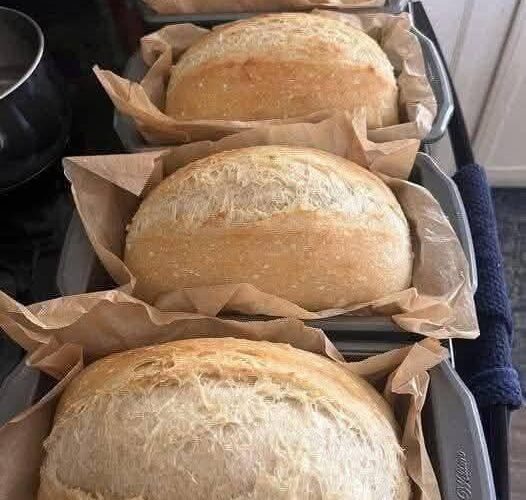
The Ultimate Crusty Bread Recipe for Soft and Flavorful Homemade Loaves
There is something incredibly comforting about the smell of freshly baked homemade bread filling the kitchen. Few things compare to slicing into a warm loaf with a golden crust and soft fluffy center. This rustic Italian bread recipe creates bakery-style bread at home using simple pantry staples and an easy method that even beginners can master successfully.
Homemade Italian bread is one of the most searched bread recipes because it combines crisp crust, chewy texture, airy crumb, and rich flavor into one beautiful loaf. Whether served alongside pasta, soup, salad, or enjoyed warm with butter, this classic bread recipe fits almost every meal and occasion.
What makes this crusty bread recipe especially popular is its simplicity. Unlike complicated artisan bread recipes that require extensive kneading or advanced baking techniques, this easy homemade bread comes together with minimal effort. The dough requires only basic ingredients like flour, yeast, warm water, olive oil, salt, and brown sugar. After mixing, the dough rises beautifully and bakes into rustic golden loaves with irresistible texture and flavor.
One of the best parts about making homemade bread is the incredible aroma during baking. As the dough rises and the crust develops in the oven, the scent of warm yeast bread creates a comforting atmosphere throughout the house. Freshly baked bread has a way of bringing people together around the table.
The texture of this Italian bread is what truly makes it unforgettable. The crust becomes golden brown, crisp, and slightly chewy, while the inside stays soft, airy, and tender. This contrast between crunchy exterior and fluffy interior is exactly what makes artisan-style bread so satisfying.
Many people assume homemade bread is difficult or time-consuming, but this recipe proves otherwise. The process is surprisingly simple and approachable. There is no complicated shaping technique or heavy kneading involved. Once the dough ingredients are mixed together, the yeast does most of the work during the rising stage.
Yeast is the ingredient responsible for creating the light airy texture in bread. When combined with warm water and sugar, the yeast activates and begins producing gas bubbles that help the dough rise. Brown sugar not only feeds the yeast but also contributes subtle depth and color to the final loaf.
Warm water is essential for activating yeast properly. If the water is too hot, it can damage the yeast, while water that is too cold may prevent proper rising. Lukewarm water creates the ideal environment for yeast fermentation and dough development.
Flour provides the structure of the bread. As the dough mixes, gluten develops and gives the loaf elasticity and chewiness. Gradually adding the flour allows you to achieve the perfect dough consistency without making it too dry or dense.
Olive oil adds subtle richness and helps create softer texture inside the loaf. It also contributes mild flavor associated with classic Italian-style breads.
Salt is another important ingredient because it strengthens the dough while enhancing overall flavor. Bread made without salt often tastes flat, so even a small amount makes a significant difference.
One reason rustic bread recipes continue to rank highly online is because people love the idea of bakery-quality bread made at home. Search terms like “easy homemade bread,” “Italian bread recipe,” “crusty artisan bread,” and “no knead bread recipe” remain extremely popular among home bakers.
Another major advantage of homemade bread is versatility. This dough recipe can be shaped into traditional loaves, bread rolls, dinner buns, or even homemade pizza dough. Having one reliable dough recipe that can create multiple baked goods makes home baking more practical and enjoyable.
The steam baking method used in this recipe is one of the secrets to achieving bakery-style crust. Placing hot water in the oven creates steam during baking, which helps the crust stay moist initially before turning crisp and golden. This technique is commonly used in artisan bakeries to create crunchy crusty bread.
Scoring the top of the loaves before baking also plays an important role. The shallow cut allows steam to escape while controlling how the bread expands in the oven. This helps create attractive rustic appearance and better texture.
Another reason homemade bread feels special is because it uses simple wholesome ingredients without preservatives often found in store-bought loaves. Fresh homemade bread has natural flavor and texture that packaged bread cannot fully replicate.
Freshly baked Italian bread pairs beautifully with countless dishes. It works perfectly alongside pasta dinners, creamy soups, salads, roasted meats, or charcuterie boards. It also makes excellent sandwiches, garlic bread, bruschetta, or toast.
Many people enjoy brushing warm bread with butter immediately after baking. The butter melts into the crust and adds extra richness and shine while softening the exterior slightly.
This recipe is ideal for beginner bakers because the dough is forgiving and easy to handle. Even if the shaping is not perfect, the bread still bakes into rustic beautiful loaves with incredible flavor.
Allowing the dough enough time to rise is one of the keys to success. During rising, the yeast creates air pockets that produce soft texture and proper volume. Rushing this stage can result in denser bread.
Covering the dough with a damp cloth while rising helps prevent the surface from drying out. A moist environment encourages better fermentation and smoother dough texture.
Another useful bread-making tip is using a dough hook if mixing with a stand mixer. This helps combine the dough evenly while developing gluten structure more efficiently.
The final texture of homemade bread depends heavily on proper baking. Underbaked bread may feel doughy inside, while overbaking can create dryness. Fully baked bread should sound hollow when tapped on the bottom.
Cooling the bread on wire racks is also important because it prevents trapped steam from softening the crust underneath. Allowing the bread to cool slightly before slicing helps maintain the interior structure.
One reason artisan-style bread recipes remain so loved is because they create a sense of accomplishment. Watching simple ingredients transform into golden bakery-quality loaves feels rewarding and comforting.
Homemade bread also freezes well, making it practical for meal planning. Sliced bread can be frozen and reheated later while maintaining good texture and flavor.
The crusty exterior and airy center of this bread make it ideal for dipping into olive oil, soups, or pasta sauces. The texture absorbs flavors beautifully while still maintaining structure.
For additional flavor, herbs like rosemary, thyme, oregano, or basil can be added to the dough. Garlic powder or roasted garlic can also create delicious variations while preserving the original rustic texture.
Some bakers enjoy sprinkling flour over the loaves before baking for a more traditional artisan appearance. Sesame seeds or Italian herbs can also be added on top for extra texture and flavor.
This bread recipe is especially popular during holidays and family gatherings because fresh bread instantly elevates any meal. A warm loaf placed at the center of the table creates welcoming homemade comfort everyone appreciates.
The chewy crust develops because of both steam and high oven heat. As moisture evaporates during baking, the exterior becomes crisp while the inside remains tender and airy.
Many people who once felt intimidated by bread baking discover that homemade bread is far easier than expected. Once you understand the basics of yeast activation and dough rising, the process becomes enjoyable and relaxing.
Another reason homemade Italian bread remains timeless is because it connects to traditional baking methods passed down through generations. Rustic breads have long been staples of family meals and community gatherings across many cultures.
This recipe also provides excellent value because it produces two large loaves using inexpensive ingredients. Homemade bread costs significantly less than artisan bakery loaves while offering equally satisfying flavor and texture.
Fresh bread can also be transformed into other dishes if leftovers remain. It works perfectly for croutons, bread pudding, garlic toast, sandwiches, stuffing, or French toast.
The dough itself is highly adaptable. In addition to pizza dough and rolls, it can also be shaped into breadsticks or sandwich buns depending on your needs.
One reason this bread recipe performs well online is because home bakers constantly search for easy reliable recipes that create authentic bakery-style results without advanced skills. Keywords like “soft homemade bread,” “easy artisan bread,” “Italian loaf recipe,” and “crispy crust bread” continue to trend because people want approachable bread recipes with professional texture.
The satisfaction of slicing into a freshly baked loaf with crackling crust and soft interior is difficult to match. Every slice feels comforting, warm, and homemade in the best possible way.
This rustic Italian bread recipe proves that incredible homemade bread does not require complicated ingredients or professional baking equipment. With basic pantry staples and simple techniques, anyone can create beautiful crusty loaves right in their own kitchen.
Whether you are serving it at dinner, using it for sandwiches, pairing it with soup, or simply enjoying it warm with butter, this homemade bread recipe delivers everything people love about classic artisan-style Italian bread.
Once you try baking this easy crusty bread recipe, it will likely become one of your favorite homemade baking projects because it is affordable, versatile, simple, and absolutely delicious.
Helpful Bread Baking Tips for Perfect Results
Use warm water, not hot water, when activating the yeast.
Allow the yeast mixture to foam before adding flour to ensure proper activation.
Gradually add flour to avoid dry dense dough.
Do not rush the rising process because proper fermentation creates better texture.
Cover dough with a damp towel while rising to prevent drying.
Steam in the oven helps create crispy bakery-style crust.
Use a sharp knife or bread lame to score the top before baking.
Bake until the loaves sound hollow when tapped underneath.
Cool bread on wire racks to preserve crust texture.
Brush warm bread with butter for softer richer crust if desired.
Easy Crusty Italian Bread Recipe
Ingredients
Bread Dough
- 1 1/3 cups warm water
- 2 1/4 teaspoons yeast
- 1 tablespoon brown sugar
- 1 1/2 teaspoons salt
- 1 1/2 teaspoons olive oil
- 4 cups flour
Egg Wash
- 1 egg
- 1 tablespoon water
Instructions
Step 1: Activate the Yeast
In a large mixing bowl, combine warm water, yeast, and brown sugar. Stir gently and let sit for several minutes until foamy.
Step 2: Mix the Dough
Add olive oil and salt. Gradually mix in flour until the dough begins pulling away from the sides of the bowl. Continue mixing for several minutes using a dough hook if available.
Step 3: First Rise
Cover the bowl and let the dough rise until doubled in size, about 30 minutes.
Step 4: Shape the Loaves
Punch down the dough and divide it into two equal portions. Shape into oval or long loaves.
Step 5: Second Rise
Place loaves on a prepared baking sheet. Cover with a damp cloth and allow to rise again until doubled.
Step 6: Prepare for Baking
Preheat oven to 375°F. Whisk together egg and water, then brush over the loaves. Make one long shallow cut down the center of each loaf using a sharp knife.
Step 7: Create Steam
Place at least 1 cup hot water in a shallow oven-safe pan on the lower rack beneath the bread.
Step 8: Bake
Bake for 25–30 minutes or until golden brown and hollow-sounding when tapped.
Step 9: Cool and Serve
Transfer bread to cooling racks. Optional: brush warm crust with butter for extra flavor.
Storage Tips
- Store bread in an airtight container or bread bag for up to 3 days.
- Freeze sliced bread for up to 2 months.
- Reheat in the oven for fresh-baked texture.
Source
Inspired by traditional rustic Italian bread recipes and classic homemade artisan baking methods.
