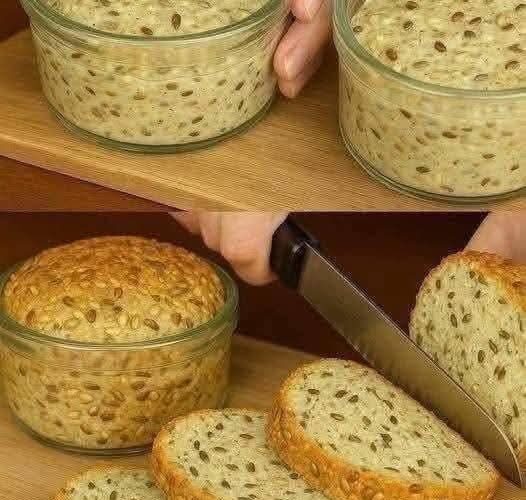
If you’re searching for a healthy homemade bread recipe, a gluten-free seed bread, or a high-fiber, no-flour loaf, this nutrient-packed seed bread is exactly what you need. Made entirely from wholesome seeds, water, and salt, this recipe is a powerful example of how simple ingredients can create something deeply nourishing, satisfying, and incredibly flavorful.
Unlike traditional bread recipes that rely on flour, yeast, or complicated techniques, this easy seed bread recipe uses natural binding properties found in flax seeds to hold everything together. The result is a dense, rustic loaf packed with texture, protein, and healthy fats—perfect for anyone looking to eat clean without sacrificing taste.
This is more than just bread—it’s a superfood loaf, ideal for modern diets like keto-friendly eating, plant-based lifestyles, and gluten-free meal plans.
Why This Seed Bread Recipe Is Gaining Popularity
In recent years, search trends have shifted toward clean eating recipes, whole food plant-based meals, and gluten-free baking ideas. People want food that is not only delicious but also nourishing and simple to prepare.
This recipe aligns perfectly with those needs because it offers:
- A no-flour bread alternative
- Naturally gluten-free ingredients
- High levels of fiber, protein, and healthy fats
- No yeast or kneading required
- Minimal, whole-food ingredients
- Excellent for meal prep and storage
It’s especially popular among those following low-carb diets, vegan nutrition plans, or anyone trying to reduce processed foods.
Understanding the Texture and Taste
This bread is very different from soft, airy sandwich loaves. Instead, it offers a rich, hearty experience that feels more grounded and satisfying.
- Flax seeds create a slightly nutty, earthy flavor
- Sunflower seeds add mild sweetness and crunch
- Pumpkin seeds (pepitas) provide texture and depth
- The overall loaf is dense, chewy, and rustic
Each bite delivers a satisfying crunch combined with a wholesome, slightly toasted flavor—especially when sliced thin and lightly toasted.
The Science Behind This No-Yeast Bread
The magic of this bread lies in a natural process known as the “flax gel effect.” When ground flax seeds are mixed with water, they release a gel-like substance called mucilage. This acts as a natural binder—similar to eggs in traditional baking.
This means:
- No eggs are needed
- No flour is required
- No artificial binders are used
The flax essentially transforms water into structure, holding all the seeds together into a cohesive loaf.
Why Grinding Seeds Is Essential
A key step in this recipe is grinding part of the seed mixture. This is not optional—it’s what ensures the bread holds together properly.
Grinding helps:
- Release natural oils and binding compounds
- Create a structure that supports the loaf
- Prevent the bread from falling apart
However, it’s important not to over-process. The goal is a coarse, sand-like texture, not a paste. Over-grinding can release too much oil and affect the final consistency.
The Importance of Resting the Mixture
After mixing the seeds with water, the dough must rest for at least 20 minutes. During this time:
- The flax seeds absorb water
- The mixture thickens significantly
- A gel-like consistency forms
This step is crucial because it allows the ingredients to fully hydrate and bind together. Skipping this stage will result in a loose mixture that won’t bake properly.
Shaping and Preparing for Baking
Because this dough doesn’t behave like traditional bread dough, handling it requires a slightly different approach.
- It will feel thick and sticky, more like porridge than dough
- Pressing it firmly into the loaf pan removes air pockets
- Using wet tools prevents sticking
A lined loaf pan is essential to ensure easy removal after baking.
Baking Tips for Perfect Results
Baking this bread is straightforward, but attention to detail makes a big difference.
- Bake until the loaf is firm and golden brown
- A hollow sound when tapped indicates doneness
- Rotating the pan halfway ensures even baking
For accuracy, you can check the internal temperature, which should be around 96–99°C (205–210°F).
Why Cooling Time Is Non-Negotiable
One of the most important (and often overlooked) steps is cooling.
After baking:
- The loaf continues to set internally
- Moisture redistributes evenly
- Structure becomes stable for slicing
Cutting too early will cause the bread to crumble. Ideally, let it cool completely—preferably for several hours or overnight—for best results.
How to Slice and Serve This Bread
Due to its dense texture, this bread should be sliced thinly using a sharp serrated knife.
Serving ideas include:
- Toasted slices with avocado and a pinch of salt
- Spread with nut butter and topped with banana
- Paired with soft cheese and a drizzle of honey
- Served alongside soups or stews
It’s incredibly versatile and works for breakfast, snacks, or light meals.
Optional Flavor Variations
While the base recipe is simple and pure, you can enhance it with natural additions:
- Herbal twist: Add dried rosemary or thyme
- Warm spices: Mix cinnamon and cardamom
- Nutty upgrade: Replace some sunflower seeds with almonds or walnuts
- Savory boost: Add nutritional yeast for a cheesy flavor
These variations allow you to customize the bread while keeping its wholesome essence.
Storage and Shelf Life
This bread stores exceptionally well:
- At room temperature: 3–4 days (wrapped)
- In the refrigerator: up to 1 week
- In the freezer: up to 3 months (slice before freezing)
For best results, toast slices directly from frozen.
Health Benefits of Seed Bread
This loaf is packed with nutrients and offers several health advantages:
- High in dietary fiber for digestion
- Rich in omega-3 fatty acids from flax seeds
- Contains plant-based protein
- Supports heart health
- Keeps you full longer
It’s an excellent option for those seeking clean eating recipes or nutrient-dense foods.
A Simple Bread with Deep Meaning
This recipe represents a return to basics—using whole, natural ingredients without unnecessary processing. It encourages a slower, more mindful approach to cooking.
It’s not about creating something light and fluffy. Instead, it’s about making something real, grounding, and nourishing.
Each slice reflects simplicity, patience, and the natural richness of seeds.
A Bread That Nourishes More Than Hunger
This is not just food—it’s an experience. From grinding the seeds to waiting for the loaf to cool, every step invites you to slow down and connect with the process.
When you finally take that first bite—crisp edges, nutty flavor, hearty texture—you’ll understand why this recipe has become a favorite among those who value simple, wholesome cooking.
Part 2: Simple Step-by-Step Recipe (Quick Version)
🕒 Quick Overview
Prep Time: 20 minutes
Rest Time: 20 minutes
Bake Time: 45–50 minutes
Cooling Time: 2+ hours
Total Time: ~2 hours 50 minutes
Servings: 1 loaf
🛒 Ingredients
- 150g (1½ cups) whole flax seeds
- 100g (1 cup) raw sunflower seeds
- 65g (½ cup) raw pumpkin seeds (plus 2 tbsp for topping)
- 1 teaspoon fine sea salt
- 350ml (1½ cups) water
👨🍳 Instructions
Step 1: Mix and Grind
Combine all seeds and salt in a bowl. Take half of the mixture and grind it into a coarse texture (not powder). Return it to the bowl and mix well.
Step 2: Add Water
Pour in the water and stir thoroughly for 1–2 minutes until it becomes thick.
Step 3: Let It Rest
Leave the mixture uncovered for 20 minutes so it thickens and binds.
Step 4: Prepare Pan
Preheat oven to 175°C (350°F). Line a loaf pan with parchment paper.
Step 5: Shape the Dough
Transfer mixture into the pan. Press it down firmly and smooth the top. Sprinkle extra pumpkin seeds on top.
Step 6: Bake
Bake for 45–50 minutes until firm and golden.
Step 7: Cool Completely
Let it cool in the pan for 15 minutes, then transfer to a rack. Cool fully before slicing.
💡 Helpful Tips
- Use a kitchen scale for accuracy
- Don’t skip the resting time
- Always cool completely before cutting
- Slice thin for best texture
- Store in fridge or freeze for longer use
