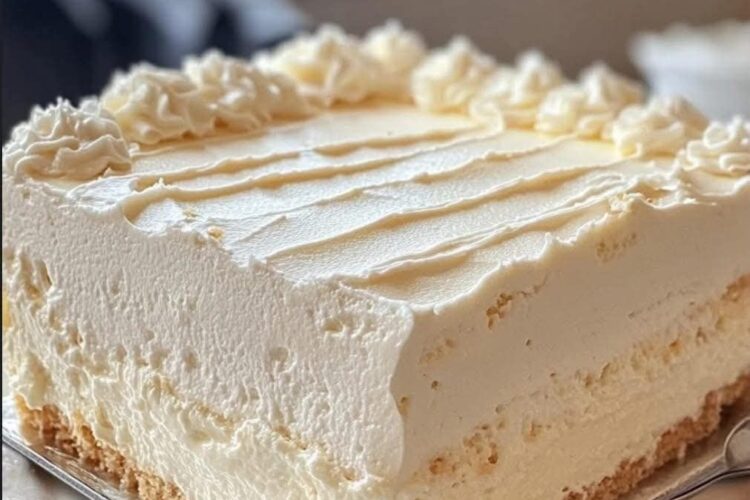
If you’re searching for a dessert that delivers bakery-quality flavor with a homemade touch, this rich and moist cream cheese cake is exactly what you need. This cake stands out because of its incredibly soft texture, balanced sweetness, and a slightly tangy richness that makes every bite memorable. Whether you’re baking for a celebration, a family gathering, or simply treating yourself, this recipe offers a reliable and satisfying result without requiring advanced baking skills.
A Cake That Blends Comfort and Elegance
There’s something special about cakes that use cream cheese as a core ingredient. Unlike traditional butter-based cakes, this version has a more delicate crumb and a smooth, velvety finish. The addition of cream cheese transforms a simple cake into something that feels luxurious yet comforting at the same time.
This cake is perfect for multiple occasions. It works beautifully as a birthday cake, a tea-time dessert, or even as a centerpiece for festive tables. Its versatility is one of its strongest qualities—you can keep it simple or dress it up with toppings, fillings, or decorative frosting.
Why This Recipe Works So Well
The magic of this cake comes from how the ingredients interact with each other. Each component plays a specific role in achieving the final texture and flavor:
- Moisture Balance: The combination of cream cheese, sour cream, and oil ensures that the cake stays soft for days without drying out.
- Flavor Depth: Cream cheese adds a mild tanginess that cuts through the sweetness, creating a more balanced taste.
- Soft Structure: Proper mixing and the right ratio of leavening agents result in a light yet stable crumb.
- Ease of Preparation: No complicated steps or special equipment are required, making it beginner-friendly.
A Brief Background of Cream Cheese in Baking
Cream cheese has been used in desserts for over a century. Originally popularized in American kitchens, it quickly became a staple in recipes like cheesecakes and frostings. Over time, bakers began incorporating it directly into cake batters to create softer textures and richer flavors.
This evolution led to recipes like this one—where cream cheese is not just a topping but an essential ingredient in the cake itself. The result is a dessert that bridges the gap between classic cakes and cheesecakes.
Understanding the Ingredients
To get the best outcome, it’s helpful to understand what each ingredient contributes:
Dry Ingredients
- All-purpose flour: Forms the structure of the cake. You can substitute with cake flour for a lighter crumb.
- Granulated sugar: Adds sweetness and helps create a tender texture.
- Baking powder & baking soda: These work together to help the cake rise and stay fluffy.
- Salt: Enhances all the flavors and prevents the cake from tasting overly sweet.
Wet Ingredients
- Eggs: Provide structure and richness while helping bind everything together.
- Vegetable oil: Keeps the cake moist longer than butter-based recipes.
- Sour cream: Adds creaminess and prevents dryness.
- Vanilla extract: Enhances the overall aroma and flavor.
- Cream cheese: The star ingredient that gives the cake its signature taste and texture.
Frosting Components
The frosting is smooth, creamy, and slightly tangy—perfectly complementing the cake:
- Cream cheese for flavor
- Butter for richness
- Powdered sugar for sweetness and texture
- Vanilla for added depth
Step-by-Step Baking Insights
Preparing Your Oven and Pan
Always begin by preheating your oven properly. A consistent temperature ensures even baking. Greasing and lining your pan helps prevent sticking and makes removal easier.
Mixing Dry Ingredients
Whisking the dry ingredients together evenly distributes the leavening agents. This step is important to avoid uneven rising.
Blending Wet Ingredients
Make sure all wet ingredients are at room temperature. This helps create a smooth mixture without lumps, especially when working with cream cheese.
Combining Mixtures
When you mix wet and dry ingredients, do so gently. Overmixing can make the cake dense instead of soft.
Baking to Perfection
Keep an eye on the baking time. Every oven behaves differently, so checking a few minutes early can help prevent overbaking.
Cooling Before Frosting
Patience is key here. Frosting a warm cake can cause melting and ruin the texture.
Professional Tips for Better Results
- Always use room temperature ingredients for smoother mixing.
- Avoid overmixing once flour is added.
- Test doneness with a toothpick inserted in the center.
- Let the cake cool completely before applying frosting.
- For extra moisture, brush with a light sugar syrup after baking.
Creative Variations You Can Try
Once you master the basic recipe, you can experiment with flavors:
- Citrus Twist: Add lemon or orange zest for a refreshing taste.
- Chocolate Version: Mix cocoa powder into the batter for a richer dessert.
- Fruit Topping: Add fresh berries or a fruit glaze for a vibrant finish.
- Layered Cake: Double the recipe and create a layered celebration cake.
Serving Ideas
This cake is incredibly versatile when it comes to presentation:
- Serve chilled for a firmer texture.
- Enjoy at room temperature for a softer bite.
- Pair with tea, coffee, or milk.
- Add chocolate drizzle or fruit sauce for extra indulgence.
Storage and Make-Ahead Tips
- Store in an airtight container in the refrigerator for up to 5 days.
- You can freeze the unfrosted cake for up to 2 months.
- Thaw overnight before frosting and serving.
- Frost just before serving for best results.
Common Questions Answered
Can I make this gluten-free?
Yes, use a gluten-free flour blend that includes a binding agent like xanthan gum.
Can I use low-fat ingredients?
You can, but the texture may be slightly less rich.
Can I bake this in different pans?
Yes, but adjust baking time depending on pan size and depth.
What Makes This Cake Truly Special
What sets this cake apart is its perfect balance of flavor and texture. It’s soft without being crumbly, rich without being heavy, and sweet without being overwhelming. The cream cheese adds a signature taste that makes it stand out from ordinary cakes.
This is the kind of dessert that feels homemade yet tastes like it came from a professional bakery. It’s reliable, adaptable, and always a crowd favorite.
Part 2: Simple & Easy Cream Cheese Cake Recipe
Quick Overview
- Servings: 12–16
- Prep Time: 20 minutes
- Baking Time: 30–35 minutes
- Total Time: About 1 hour
Ingredients
For the Cake
- 2 cups all-purpose flour
- 1½ cups granulated sugar
- 1½ teaspoons baking powder
- ½ teaspoon baking soda
- ½ teaspoon salt
- 2 large eggs
- ½ cup vegetable oil
- 1 cup sour cream
- 1 teaspoon vanilla extract
- 8 oz cream cheese (softened)
For the Frosting
- 8 oz cream cheese (softened)
- ½ cup unsalted butter (softened)
- 2–3 cups powdered sugar
- 1 teaspoon vanilla extract
Instructions
- Preheat oven to 350°F (175°C) and grease a 9×13-inch baking pan.
- In a bowl, mix flour, sugar, baking powder, baking soda, and salt.
- In another bowl, beat eggs, oil, sour cream, vanilla, and cream cheese until smooth.
- Combine wet and dry ingredients gently until just mixed.
- Pour batter into the pan and spread evenly.
- Bake for 30–35 minutes or until a toothpick comes out clean.
- Let the cake cool completely.
- For frosting, beat cream cheese and butter until smooth, then add powdered sugar and vanilla.
- Spread frosting over the cooled cake and serve.
