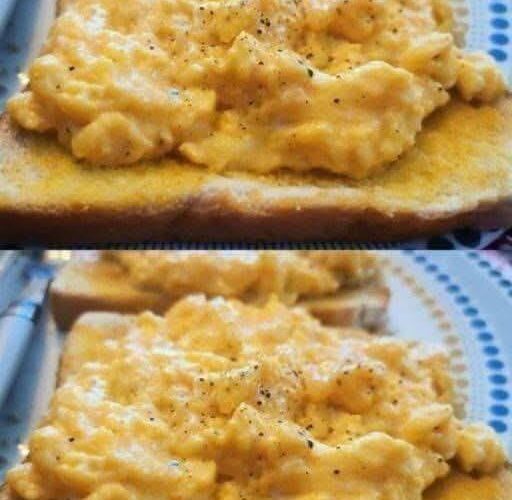
Scrambled eggs remain one of the most popular breakfast recipes worldwide because they are quick, filling, affordable, and incredibly satisfying. Whether served with toast, breakfast potatoes, fresh fruit, or wrapped in a breakfast burrito, perfectly cooked eggs can instantly upgrade your morning meal.
While scrambled eggs appear simple, getting that rich, silky, fluffy texture consistently takes the right cooking approach. Many people accidentally overcook their eggs, resulting in a dry or rubbery texture. The secret to truly delicious scrambled eggs lies in low heat, gentle stirring, quality ingredients, and proper timing.
This complete guide explains how to make creamy scrambled eggs with a soft, fluffy texture using easy techniques that work for beginners and experienced home cooks alike. If you have ever searched for terms like best scrambled eggs recipe, how to make fluffy eggs, soft scrambled eggs, easy protein breakfast, or restaurant-style scrambled eggs, this recipe delivers exactly what you are looking for.
Why Scrambled Eggs Are a Breakfast Favorite
Eggs are one of the most versatile foods in the kitchen. They cook quickly, pair well with many ingredients, and provide excellent nutrition. Scrambled eggs especially stand out because they can be customized in countless ways while still requiring only a few basic ingredients.
Here are some reasons scrambled eggs continue to rank among the top breakfast recipes online:
- Fast and easy to prepare
- Budget-friendly meal option
- Naturally high in protein
- Great for healthy breakfast plans
- Works for breakfast, brunch, or light dinners
- Easily customizable with vegetables, herbs, meats, or cheese
- Suitable for low-carb and keto-friendly diets
Soft scrambled eggs also fit perfectly into modern food trends such as healthy eating, meal prepping, high-protein breakfasts, and quick family meals.
The Secret Behind Perfect Scrambled Eggs
Many people think scrambled eggs are impossible to mess up, but texture depends heavily on technique. Heat control makes the biggest difference.
Perfect scrambled eggs should be:
- Soft and moist
- Light and fluffy
- Rich in flavor
- Smooth and creamy
- Never dry or browned
The ideal eggs contain delicate curds with a slightly glossy finish. Overcooked eggs become stiff and lose their creamy texture very quickly.
Cooking eggs slowly allows the proteins to set gently, producing tender results rather than tough, chewy eggs.
Understanding Different Scrambled Egg Styles
Not all scrambled eggs are the same. Different cooking methods create different textures.
Soft Scrambled Eggs
Soft scrambled eggs are creamy, delicate, and silky. They are cooked slowly over low heat and removed from the stove while still slightly glossy.
Characteristics include:
- Small soft curds
- Rich creamy texture
- Moist finish
- Smooth consistency
This style is commonly served in restaurants and cafés.
Classic Fluffy Scrambled Eggs
Classic scrambled eggs are slightly firmer but still light and airy. They are cooked until fully set while maintaining softness.
Characteristics include:
- Medium curds
- Light texture
- Fully cooked center
- Traditional breakfast style
This version is popular for family breakfasts.
Firm Scrambled Eggs
Firm scrambled eggs are cooked longer until all moisture evaporates.
Characteristics include:
- Dry texture
- Large curds
- Fully cooked throughout
Although some people enjoy this texture, excessive cooking often removes flavor and tenderness.
Ingredients That Make the Best Scrambled Eggs
One of the best things about scrambled eggs is that they require very few ingredients. However, every ingredient contributes to the final result.
Eggs
Fresh large eggs work best because they provide rich flavor and structure.
Eggs contain:
- High-quality protein
- Healthy fats
- Vitamins A, D, and B12
- Minerals like selenium and choline
Using fresh eggs improves both texture and flavor.
Milk or Cream
Milk or cream is optional, but many cooks enjoy adding a small amount for extra softness.
Milk
- Creates lighter eggs
- Adds moisture
- Keeps texture delicate
Heavy Cream
- Produces richer eggs
- Creates luxurious texture
- Adds creamy consistency
Too much liquid can water down the eggs, so small amounts work best.
Butter
Butter gives scrambled eggs their signature rich flavor and silky finish.
Benefits of butter include:
- Prevents sticking
- Adds creamy taste
- Improves texture
- Helps eggs cook evenly
Unsalted butter is often preferred because seasoning can be controlled more easily.
Salt and Black Pepper
Simple seasoning dramatically improves flavor.
Salt enhances the natural richness of eggs, while freshly ground black pepper adds gentle warmth and depth.
Some chefs season before cooking, while others season afterward. Both methods work depending on preference.
Optional Ingredients for Extra Flavor
Scrambled eggs are highly adaptable and pair well with many ingredients.
Popular additions include:
- Shredded cheddar cheese
- Crumbled feta cheese
- Goat cheese
- Fresh herbs
- Diced tomatoes
- Mushrooms
- Spinach
- Bell peppers
- Green onions
- Cooked bacon
- Smoked salmon
- Avocado slices
Adding ingredients near the end of cooking helps preserve texture and prevents excess moisture.
Best Kitchen Tools for Scrambled Eggs
Although scrambled eggs are simple, using the right cookware makes cooking easier.
Recommended tools include:
Non-Stick Frying Pan
A quality non-stick skillet prevents sticking and allows gentle cooking.
Silicone or Rubber Spatula
A soft spatula helps fold eggs without breaking them apart too aggressively.
Mixing Bowl
Whisking eggs in a separate bowl ensures even blending.
Fork or Whisk
Either tool works for combining yolks and whites smoothly.
How to Prepare Eggs Properly Before Cooking
Preparation affects final texture more than many people realize.
Crack eggs into a bowl rather than directly into the pan. This allows better mixing and helps remove shell fragments easily if needed.
Whisk until the yolks and whites become fully combined. The mixture should appear smooth and evenly colored.
Avoid over-whisking because too much air can create dry eggs.
If using milk or cream, add it during whisking for even distribution.
Why Low Heat Is Essential
One of the biggest mistakes people make is cooking scrambled eggs over high heat.
High heat causes:
- Tough texture
- Dry eggs
- Browning
- Uneven cooking
Low or medium-low heat allows proteins to cook slowly and evenly.
This gentle cooking process produces:
- Creamier texture
- Softer curds
- Better flavor
- Moist finish
Patience is one of the main secrets behind restaurant-quality scrambled eggs.
Step-by-Step Method for Fluffy Scrambled Eggs
Step 1: Prepare the Egg Mixture
Crack 3–4 eggs into a mixing bowl.
Add:
- Salt
- Pepper
- Optional milk or cream
Whisk until fully blended and smooth.
Step 2: Heat the Pan
Place a non-stick skillet over medium-low heat.
Add butter and allow it to melt slowly without browning.
Swirl the butter around the pan to coat the surface evenly.
Step 3: Add the Eggs
Pour the egg mixture into the warm pan.
Allow the eggs to sit undisturbed for several seconds so the edges begin setting gently.
Step 4: Stir Slowly
Using a spatula, gently move the eggs from the outer edges toward the center.
Continue folding slowly rather than stirring aggressively.
This method creates soft, creamy curds.
Step 5: Remove Before Fully Cooked
Take the pan off the heat while the eggs still look slightly glossy.
Residual heat continues cooking the eggs for another minute.
This final step prevents overcooking and keeps the eggs soft.
Professional Tips for Better Scrambled Eggs
Use Fresh Eggs
Fresh eggs provide superior flavor and structure.
Cook Slowly
Slow cooking produces the best creamy texture.
Stir Gently
Aggressive stirring breaks curds and creates dense eggs.
Remove Early
Eggs continue cooking after leaving the stove.
Avoid Browning
Brown spots indicate overcooked eggs.
Common Scrambled Egg Mistakes
Even simple recipes can go wrong if certain mistakes are made.
Cooking on High Heat
Fast cooking dries eggs quickly.
Overcooking
Eggs should remain slightly soft when removed from heat.
Skipping Butter
Butter contributes major flavor and texture improvements.
Not Using a Non-Stick Pan
Eggs stick easily without proper cookware.
Excessive Stirring
Constant stirring can create tiny dry curds instead of soft folds.
Healthy Benefits of Scrambled Eggs
Scrambled eggs are not only delicious but also highly nutritious.
Benefits include:
- Excellent protein source
- Rich in healthy fats
- Low in carbohydrates
- Helps maintain fullness
- Supports muscle repair
- Contains important vitamins and minerals
Eggs fit well into:
- Keto diets
- Low-carb meal plans
- High-protein breakfasts
- Balanced nutrition programs
Best Ways to Serve Scrambled Eggs
Scrambled eggs pair beautifully with many breakfast foods.
Popular serving ideas include:
- Buttered toast
- Sourdough bread
- Avocado toast
- Breakfast sandwiches
- Breakfast burritos
- Roasted vegetables
- Pancakes
- Turkey sausage
- Crispy hash browns
- Fresh fruit
They also work well for brunch spreads and quick lunches.
Creative Scrambled Egg Variations
Cheesy Scrambled Eggs
Add shredded cheddar or mozzarella during the final minute of cooking.
Herb Scrambled Eggs
Fresh parsley, dill, basil, or chives add freshness and aroma.
Vegetable Scrambled Eggs
Sauté vegetables before adding eggs for added nutrition and flavor.
Spicy Scrambled Eggs
Add chili flakes, jalapeños, or hot sauce for heat.
Mediterranean Scrambled Eggs
Combine feta cheese, spinach, tomatoes, and olives.
Why This Scrambled Egg Method Works So Well
This recipe consistently produces soft, flavorful eggs because it focuses on three essential principles:
Gentle Heat
Low temperatures protect texture.
Controlled Stirring
Slow folding creates tender curds.
Proper Timing
Removing eggs early prevents dryness.
These simple adjustments completely transform the final dish.
Storage and Reheating Tips
Scrambled eggs taste best fresh, but leftovers can still be stored safely.
Refrigeration
Store in an airtight container for up to 2 days.
Reheating
Warm gently over low heat or microwave briefly in short intervals.
Avoid overheating during reheating because eggs dry out quickly.
Frequently Asked Questions
Can I Make Scrambled Eggs Without Milk?
Yes. Eggs cook perfectly without milk or cream.
Why Are My Eggs Rubbery?
They were likely cooked too long or over excessive heat.
Can I Use Oil Instead of Butter?
Yes, but butter provides better flavor and texture.
How Do Restaurants Make Eggs So Creamy?
Restaurants usually cook eggs slowly over low heat while removing them before fully set.
Final Thoughts
Perfect scrambled eggs are all about patience, temperature control, and gentle cooking. With only a handful of ingredients and a few simple techniques, you can create fluffy, creamy eggs that rival restaurant breakfasts.
Whether you enjoy them plain, cheesy, herbed, or paired with toast and coffee, this recipe delivers reliable results every time. Once you master the basics, you can customize your scrambled eggs endlessly to suit your taste and breakfast style.
Part 2: Easy Creamy Scrambled Eggs Recipe
Ingredients
- 3–4 large eggs
- 1–2 tablespoons milk or cream (optional)
- ½ tablespoon butter or cooking oil
- Salt, to taste
- Black pepper, to taste
Instructions
- Crack the eggs into a bowl and whisk until smooth and fully combined.
- Add milk or cream if using.
- Heat a non-stick skillet over medium-low heat.
- Melt butter gently in the pan.
- Pour the eggs into the skillet.
- Let the eggs sit briefly before stirring.
- Use a spatula to slowly fold the eggs from the edges toward the center.
- Continue cooking gently until the eggs are soft and slightly glossy.
- Remove from heat before fully set.
- Season with salt and black pepper, then serve immediately.
