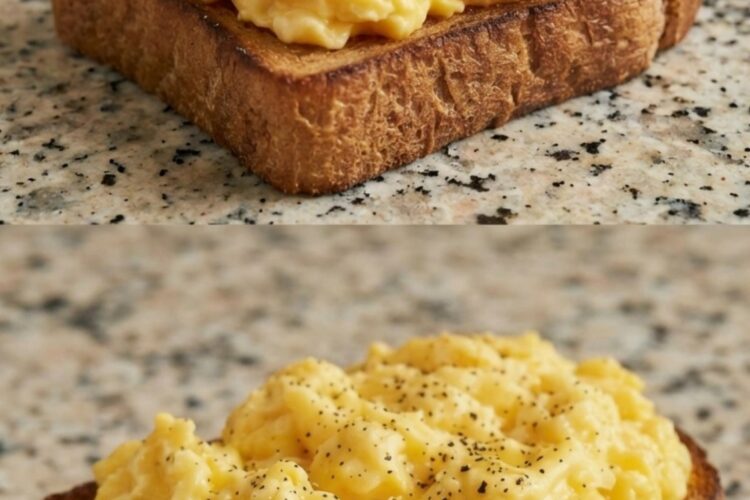
There is something deeply comforting about a plate of soft, creamy scrambled eggs. They are simple, affordable, packed with protein, and incredibly satisfying, yet many home cooks still struggle to achieve that rich restaurant-style texture. Instead of fluffy but dry eggs or rubbery curds, the goal is delicate, buttery eggs with a silky consistency that melts in your mouth.
Perfect scrambled eggs are not about expensive ingredients or complicated cooking equipment. The real secret lies in gentle heat, patience, and proper technique. Once you understand how eggs react to temperature and movement in the pan, making luxurious scrambled eggs becomes surprisingly easy.
This creamy scrambled eggs recipe is inspired by classic French cooking methods but simplified for everyday kitchens. The eggs cook slowly over low heat, creating soft folds and tender curds instead of dry chunks. Butter is added in stages to create a rich flavor and velvety finish, while careful stirring ensures the eggs remain moist and glossy.
Whether you are preparing a quick weekday breakfast, a cozy brunch, or a high-protein morning meal, these buttery scrambled eggs deliver incredible texture and flavor every single time.
Why These Creamy Scrambled Eggs Taste Better
Most people cook scrambled eggs too quickly. High heat causes the proteins in eggs to tighten rapidly, squeezing out moisture and creating a dry texture. Slow cooking allows the eggs to remain tender and custardy.
This method focuses on:
- Low temperature cooking
- Constant gentle stirring
- Gradual butter incorporation
- Removing eggs before fully set
- Using room temperature eggs
The result is a creamy breakfast recipe with soft curds, rich flavor, and a luxurious texture.
The Secret Behind Restaurant-Style Scrambled Eggs
If you have ever wondered why café or brunch restaurant eggs taste richer and smoother, the answer is simple:
They cook eggs slowly.
Professional chefs rarely rush scrambled eggs. Instead of blasting the pan with high heat, they use patience and precise timing.
The second secret is butter.
Butter creates richness, balances flavor, and helps regulate cooking temperature. When cold butter melts slowly into the eggs, it creates a smooth and creamy consistency without needing milk or cream.
Ingredients for Soft and Creamy Scrambled Eggs
Eggs
Use 4 large eggs at room temperature.
Fresh eggs provide the best flavor and structure. Room temperature eggs blend more smoothly and cook evenly in the pan.
Unsalted Butter
2 tablespoons unsalted butter, cold and cut into cubes.
Cold butter slows cooking slightly while adding richness and shine.
Salt
¼ teaspoon flaky sea salt or kosher salt.
Salt is essential for flavor, but it also slightly breaks down egg proteins, helping create softer curds.
Black Pepper
Freshly cracked black pepper adds gentle warmth and extra depth.
Fresh Herbs
Chopped chives or parsley provide freshness and color.
Why Room Temperature Eggs Matter
One of the biggest mistakes people make is cooking cold eggs directly from the refrigerator.
Cold eggs react poorly when added to a warm skillet. The proteins tighten unevenly, which often leads to inconsistent texture.
Allowing eggs to sit at room temperature for about 15 to 30 minutes helps them:
- Blend more evenly
- Cook gently
- Create smoother curds
- Maintain a creamier texture
This small step makes a noticeable difference.
How to Prepare Eggs Properly
Crack the eggs into a medium mixing bowl and add the salt before whisking.
Many cooks salt eggs after cooking, but adding salt beforehand actually improves texture. The salt begins breaking down proteins immediately, helping the eggs stay soft and tender while cooking.
Whisk gently until the yolks and whites are fully combined. The mixture should look smooth and evenly yellow without streaks.
Avoid over-whisking because too much air can create dry foam instead of creamy eggs.
Choosing the Right Pan
A quality nonstick skillet works best for scrambled eggs because the eggs move easily without sticking.
An 8-inch or 10-inch pan is ideal for four eggs.
Avoid cast iron for this recipe because eggs tend to cling to the surface. Stainless steel can work, but it requires extra butter and careful heat management.
A silicone or rubber spatula is also important because it allows gentle stirring without damaging the pan surface.
The Low Heat Cooking Technique
The biggest key to creamy scrambled eggs is low heat cooking.
Medium or high heat cooks eggs too fast. They become tough before the center has time to develop a silky texture.
Low heat allows moisture to stay inside the eggs while slowly forming soft curds.
The butter should melt quietly without browning. If you hear aggressive sizzling, the skillet is too hot.
Why Butter Is Added in Stages
Adding butter twice improves both flavor and texture.
The first portion coats the pan and starts the cooking process gently.
The second portion melts directly into the eggs while they cook, creating:
- Extra richness
- A glossy appearance
- Better moisture retention
- Temperature control
Cold butter also slightly cools the eggs, slowing cooking and preventing overcooking.
The Importance of Waiting Before Stirring
After pouring the eggs into the pan, let them sit untouched briefly.
This allows the outer edges to begin setting naturally while the center remains loose.
If you stir immediately, the eggs break into tiny dry pieces instead of forming soft creamy folds.
Patience creates better texture.
How to Stir Eggs the Correct Way
Creamy scrambled eggs are not aggressively stirred.
Instead, gently move the eggs using slow folding motions.
Use the spatula to:
- Push cooked egg toward the center
- Scrape the bottom carefully
- Allow liquid egg to flow outward
This process creates larger soft curds and prevents dryness.
Think of folding rather than scrambling aggressively.
Understanding the “Glossy Stage”
The perfect scrambled eggs should still look slightly shiny before removing them from heat.
This is one of the most important cooking lessons.
Eggs continue cooking even after leaving the stove because of residual heat.
If eggs look completely finished in the pan, they will become overcooked by the time they reach the plate.
The ideal texture is:
- Soft
- Moist
- Slightly underdone
- Glossy
- Creamy
Carryover Cooking Explained
Residual heat continues cooking eggs after removing the pan from the stove.
This process is called carryover cooking.
The eggs firm up gently during the next 30 to 60 seconds, reaching the perfect consistency naturally.
Removing eggs early protects them from becoming dry or rubbery.
Why Milk and Cream Are Not Necessary
Many people add milk or cream to scrambled eggs, believing it creates creaminess.
In reality, extra liquid often dilutes flavor and releases excess moisture while cooking.
True creaminess comes from:
- Slow cooking
- Butter
- Gentle stirring
- Proper timing
The eggs themselves already contain enough richness.
Common Mistakes That Ruin Scrambled Eggs
Cooking Over High Heat
Fast cooking creates dry, tough eggs.
Overcooking
Eggs should leave the stove while still slightly wet.
Using Cold Eggs
Cold eggs cook unevenly and tighten quickly.
Over-Stirring
Aggressive stirring creates tiny crumbly curds.
Skipping Salt
Salt improves both flavor and texture.
Walking Away
Creamy eggs require attention throughout cooking.
French-Style vs American-Style Scrambled Eggs
French-Style Eggs
- Very creamy
- Smaller curds
- Slow cooked
- Rich texture
- Custardy consistency
American-Style Eggs
- Larger curds
- Fluffier texture
- Faster cooking
- More structured appearance
This recipe sits between the two styles, offering creamy texture while still being approachable for home cooks.
Delicious Flavor Variations
Once you master the base recipe, you can experiment with extra ingredients.
Cheese Lovers Version
Add shredded cheddar, Gruyère, or Parmesan during the final minute.
Fresh Herb Eggs
Mix in dill, parsley, tarragon, or chives after cooking.
Smoked Salmon Scramble
Fold smoked salmon into warm eggs and finish with lemon juice.
Spicy Breakfast Eggs
Add cayenne pepper or chili flakes while whisking.
Truffle Butter Eggs
Drizzle a tiny amount of truffle oil before serving.
Extra Creamy French Style
Stir in crème fraîche or sour cream after removing from heat.
Best Side Dishes for Creamy Scrambled Eggs
These buttery eggs pair beautifully with many breakfast favorites.
Toasted Sourdough
Crunchy bread balances the soft texture perfectly.
Buttery Croissants
A rich bakery-style pairing for brunch.
Avocado Toast
Creamy avocado and eggs work beautifully together.
Roasted Mushrooms
Earthy flavors complement buttery eggs.
Grilled Tomatoes
Fresh acidity balances richness.
Fresh Fruit
Light fruit adds refreshing contrast.
Tips for Cooking Scrambled Eggs for a Crowd
For larger groups, avoid overcrowding the pan.
Instead:
- Cook eggs in batches
- Keep finished eggs warm briefly
- Use a larger skillet if necessary
Eggs cook quickly, so smaller batches maintain better texture.
Frequently Asked Questions
Can I use olive oil instead of butter?
Yes, but butter gives better flavor and creamier texture.
Why are my eggs watery?
Overcooking or added dairy often causes water release.
Can scrambled eggs be reheated?
Yes, but reheat gently at low power to avoid dryness.
What herbs taste best?
Chives, parsley, dill, and tarragon all work beautifully.
Why do chefs use so much butter?
Butter creates richness, softness, and luxurious texture.
Final Thoughts on Perfect Scrambled Eggs
Creamy scrambled eggs are proof that simple ingredients can create extraordinary results.
The process is not difficult, but it does require patience and attention. Low heat, gentle stirring, and careful timing completely transform ordinary eggs into a rich and elegant breakfast.
Once you master this technique, you may never go back to dry scrambled eggs again.
Whether served on toast, alongside smoked salmon, or enjoyed on their own, these soft scrambled eggs deliver comfort, flavor, and restaurant-quality texture in every bite.
Take your time, trust the slow cooking process, and enjoy one of the most satisfying breakfast recipes you can make at home.
Part 2: Easy Creamy Scrambled Eggs Recipe
Silky Soft Scrambled Eggs Recipe
Preparation Time
- Prep Time: 5 minutes
- Cook Time: 5 minutes
- Total Time: 10 minutes
Ingredients
- 4 large eggs, room temperature
- 2 tablespoons unsalted butter, cold and cubed
- ¼ teaspoon flaky sea salt or kosher salt
- Freshly ground black pepper, optional
- Fresh chopped chives or parsley, optional garnish
Instructions
Step 1: Whisk the Eggs
Crack the eggs into a medium bowl. Add the salt and whisk gently until smooth and evenly combined.
Step 2: Heat the Pan
Place a nonstick skillet over low heat. Add half of the butter cubes and let them melt slowly without browning.
Step 3: Add the Eggs
Pour the eggs into the skillet. Leave them untouched for about 30 seconds so the edges begin setting.
Step 4: Stir Gently
Using a silicone or rubber spatula, slowly push the eggs toward the center while tilting the pan so uncooked egg flows outward.
Step 5: Add Remaining Butter
Add the remaining butter cubes and continue stirring gently until the eggs become soft, creamy, and glossy.
Step 6: Remove from Heat
Take the pan off the heat while the eggs still look slightly underdone. Residual heat will finish the cooking process.
Step 7: Serve Immediately
Transfer to a warm serving plate. Finish with black pepper and fresh herbs if desired.
Helpful Cooking Tips
- Always use low heat for creamy texture
- Avoid overcooking the eggs
- Do not add milk or cream
- Use room temperature eggs for even cooking
- Serve immediately for best flavor and texture
