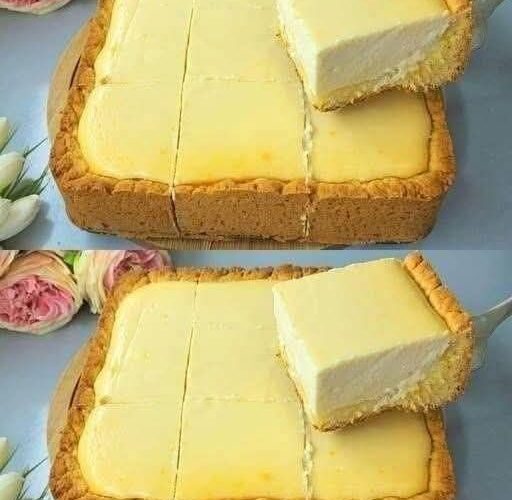
Few traditional European desserts are as comforting and elegant as the famous Italian custard tart known as Torta della Nonna. Translating to “Grandmother’s Cake,” this beloved Italian pastry combines a buttery sweet crust with rich vanilla custard filling for a dessert that feels both rustic and luxurious. Found in bakeries throughout Italy, this old-fashioned tart recipe has become popular around the world thanks to its creamy texture, golden pastry, and irresistible homemade flavor.
This classic baked dessert is perfect for holidays, tea parties, family dinners, brunch spreads, or weekend baking sessions. The crisp pastry shell paired with silky pastry cream creates a beautiful contrast that makes every bite memorable. Traditional versions are often finished with pine nuts and powdered sugar, although modern variations now include chocolate, citrus, berries, nuts, and warm spices.
What makes this Italian dessert recipe truly special is its simplicity. The ingredients are basic pantry staples, yet the final result tastes like something from an artisan bakery. With a flaky sweet pastry crust and smooth vanilla custard center, this tart is ideal for anyone who loves creamy desserts, custard pies, or authentic Italian sweets.
The crust in this recipe resembles a delicate shortcrust pastry, commonly used in many European baked desserts. Cold butter is mixed into flour and sugar to create a tender dough that becomes crisp and golden during baking. Lemon zest adds freshness and aroma, balancing the sweetness beautifully. Once baked, the crust develops a rich buttery flavor that pairs perfectly with the velvety custard filling.
The custard itself is incredibly smooth and creamy. Made with milk, egg yolks, sugar, and cornstarch, it thickens into a luxurious pastry cream with a delicate vanilla aroma. This filling is what gives the tart its signature texture. Every slice reveals a creamy center enclosed between layers of golden pastry, making it both visually impressive and deeply comforting.
One reason this homemade tart recipe remains popular is its versatility. It can be served warm, chilled, or at room temperature. Some bakers enjoy it plain and traditional, while others experiment with fruits, nuts, or chocolate additions. Whether served during celebrations or enjoyed with coffee in the afternoon, this dessert always feels timeless and satisfying.
The secret to achieving bakery-quality results starts with properly chilled ingredients. Cold butter is essential for creating a flaky crust. When the dough bakes, tiny pockets of butter melt and produce delicate layers within the pastry. Handling the dough gently also helps maintain tenderness. Overworking can make the crust dense instead of light and crumbly.
Another important step is preparing the custard carefully. Heating the milk gradually and whisking continuously helps prevent lumps and curdling. Cornstarch acts as the thickening agent, creating a smooth consistency without making the filling overly heavy. Vanilla extract enhances the flavor while maintaining the classic taste associated with authentic Italian pastry cream.
Many home bakers worry about custard desserts because they assume they are difficult to prepare. In reality, this recipe is beginner-friendly when approached step by step. The pastry dough comes together quickly, and the custard requires only basic stovetop cooking. Once assembled, the oven does most of the work, transforming simple ingredients into a beautiful golden tart.
This dessert is also ideal for make-ahead baking. The flavor actually improves after resting in the refrigerator overnight because the custard sets fully and the pastry absorbs subtle vanilla notes. This makes it an excellent option for dinner parties, birthdays, holiday tables, or festive gatherings where advance preparation is helpful.
Traditional Italian versions often feature pine nuts scattered over the top crust before baking. These nuts toast beautifully in the oven and add delicate crunch and nutty flavor. Powdered sugar dusted over the cooled tart gives it a bakery-style finish and elegant presentation. Even without elaborate decoration, this tart always looks refined and inviting.
For people who enjoy experimenting in the kitchen, this tart offers countless possibilities. A thin layer of raspberry or apricot preserves beneath the custard introduces fruity sweetness and vibrant flavor. Chocolate lovers can stir cocoa powder into the custard or drizzle melted chocolate over the cooled tart. Cinnamon, nutmeg, almond extract, or orange extract can also be added for seasonal flavor variations.
Some bakers create decorative pastry tops using lattice strips instead of a full crust. Others cut shapes from the dough for a more artistic presentation. Edible flowers, candied citrus peel, or chopped pistachios can transform this simple tart into a stunning centerpiece dessert for celebrations and special occasions.
Texture is one of the most important elements of this dessert. The ideal tart should have a crisp yet tender crust with smooth custard that holds its shape when sliced. Allowing the tart to cool completely before cutting is essential. Warm custard may appear soft immediately after baking, but it firms up beautifully as it cools.
Blind baking the bottom crust for a few minutes before filling can help prevent sogginess. This technique partially cooks the pastry so it stays crisp beneath the custard. Although optional, many professional bakers recommend it for especially creamy fillings.
Storage is another advantage of this classic dessert recipe. Leftovers can be refrigerated for several days while maintaining excellent flavor and texture. Individual slices can also be frozen for convenient future servings. Unlike some pastries that dry out quickly, custard tart remains moist and flavorful even after chilling.
Serving suggestions are endless. This tart pairs wonderfully with espresso, cappuccino, tea, or dessert wine. Fresh berries on the side add brightness and color. Whipped cream or vanilla gelato can make the dessert even more indulgent for special occasions.
The popularity of traditional Italian baking continues to grow because people appreciate comforting homemade recipes made with simple ingredients. Desserts like this embody warmth, family traditions, and timeless flavors. They remind us that great baking does not require complicated methods or expensive ingredients. Instead, patience, care, and quality basics create extraordinary results.
For beginner bakers, this recipe offers an excellent introduction to pastry making and custard preparation. For experienced bakers, it provides endless opportunities for creativity and refinement. No matter your skill level, the result is deeply rewarding: a golden tart filled with silky vanilla cream and rich buttery flavor.
If you want a dessert that feels elegant yet approachable, nostalgic yet versatile, this Italian custard tart is a perfect choice. Its balance of creamy filling and crisp pastry makes it universally loved. Whether you bake it for family gatherings, festive dinners, afternoon tea, or simple weekend indulgence, it is guaranteed to impress.
The beauty of homemade baking lies in creating something meaningful from humble ingredients. Flour, butter, eggs, milk, and sugar come together to form a dessert with generations of history behind it. Every slice carries the comforting charm of traditional European baking and the unmistakable flavor of homemade care.
This tart also adapts beautifully to seasonal ingredients. During summer, fresh berries or stone fruit preserves complement the custard perfectly. In autumn and winter, warm spices like cinnamon or nutmeg create cozy flavor profiles ideal for colder weather. Citrus zest brightens the tart year-round and enhances its fresh aroma.
For an especially luxurious texture, some bakers fold lightly whipped cream into cooled custard before assembling the tart. This creates a lighter filling while preserving the classic flavor. Others prefer a denser pastry cream for a more traditional result.
Professional pastry chefs often emphasize the importance of balance in desserts. This tart achieves that balance naturally. The sweetness is gentle rather than overpowering, the custard is creamy without heaviness, and the crust provides structure without becoming dry. These qualities make it enjoyable for nearly everyone.
Another reason this dessert ranks highly among classic Italian pastries is its universal appeal across generations. Children love the creamy vanilla filling, while adults appreciate the delicate pastry and traditional flavor. It is one of those desserts that feels both comforting and sophisticated at the same time.
The aroma that fills the kitchen while this tart bakes is unforgettable. Butter, vanilla, lemon zest, and toasted pastry combine into a warm fragrance that instantly creates a cozy atmosphere. Homemade desserts often become associated with memories and celebrations, and this tart has exactly that kind of timeless quality.
Even presentation requires very little effort because the tart naturally looks elegant once baked. A simple dusting of powdered sugar transforms it into a bakery-worthy centerpiece. Pine nuts or decorative pastry patterns add extra visual appeal without requiring advanced decorating skills.
In Italian homes, recipes like this are often passed down through generations. They represent more than food; they symbolize family traditions, hospitality, and shared moments around the table. Preparing this tart from scratch allows modern bakers to experience a small part of that tradition while creating new memories of their own.
If you enjoy classic European desserts, creamy custard recipes, homemade pastry, or authentic Italian baking, this tart deserves a place in your recipe collection. It combines simplicity and elegance in a way few desserts can achieve. One slice is enough to understand why this timeless recipe has remained beloved for generations.
Part 2: Easy Homemade Italian Custard Tart Recipe
Ingredients
For the Sweet Pastry Crust
- 250g all-purpose flour
- 100g cold unsalted butter, cut into cubes
- 75g granulated sugar
- 1 whole egg
- 1 tsp baking powder
- Pinch of salt
- Finely grated zest of 1 lemon
For the Creamy Vanilla Custard Filling
- 500ml whole milk
- 4 egg yolks
- 100g sugar
- 40g cornstarch
- 1 tsp vanilla extract
Optional Garnishes
- Pine nuts
- Powdered sugar for dusting
Method
Step 1: Prepare the Pastry Dough
In a large mixing bowl, combine the flour, sugar, baking powder, and salt. Add the cold butter and rub it into the dry ingredients until the mixture resembles coarse crumbs.
Mix in the egg and lemon zest. Gently knead until a smooth dough forms. Avoid overmixing to keep the pastry tender.
Wrap the dough in plastic wrap and refrigerate for 30 minutes.
Step 2: Make the Vanilla Custard
Pour the milk into a saucepan and heat gently until it begins to simmer.
In another bowl, whisk together the egg yolks, sugar, and cornstarch until smooth and creamy.
Slowly pour the warm milk into the egg mixture while whisking continuously to prevent lumps.
Transfer the mixture back to the saucepan and cook over medium heat, stirring constantly until thick and silky.
Remove from heat, stir in the vanilla extract, and cover the surface with plastic wrap to prevent a skin from forming. Allow the custard to cool.
Step 3: Assemble the Tart
Preheat oven to 180°C (350°F).
Roll out two-thirds of the chilled dough and press it into a greased tart pan.
Spread the cooled custard evenly over the pastry base.
Roll out the remaining dough and place it over the custard filling. Seal the edges carefully.
Sprinkle pine nuts over the top if desired.
Step 4: Bake
Bake for 35–40 minutes or until the tart becomes golden brown and beautifully crisp.
Allow the tart to cool completely before dusting with powdered sugar.
Flavor Variations
- Add raspberry or apricot jam beneath the custard for fruity sweetness.
- Mix cocoa powder into the custard for a chocolate version.
- Replace vanilla with almond or orange extract for different aromas.
- Add cinnamon stick or nutmeg while heating the milk for warm spice flavor.
- Create a lattice pastry top instead of a full crust for a rustic bakery appearance.
Helpful Baking Tips
- Keep butter and dough cold for flaky pastry.
- Blind bake the crust for 10 minutes to avoid a soggy base.
- Rotate the tart halfway through baking for even color.
- If edges brown too quickly, cover them loosely with foil.
- Chill the dough again if it becomes too soft while rolling.
- Let the tart cool fully before slicing for neat servings.
Storage Instructions
Store the tart covered in the refrigerator for up to 3 days.
Freeze individual slices wrapped tightly for up to 1 month.
To reheat, thaw overnight in the refrigerator and warm in a low oven at 150°C (300°F) for 10 minutes.
Avoid microwaving, as it may soften the pastry.
Final Thoughts
This creamy Italian custard tart combines buttery pastry with silky vanilla filling for a timeless homemade dessert. Whether served at family gatherings, holiday dinners, or afternoon tea, it delivers comforting flavor and elegant presentation every time.
Its crisp crust, rich custard, and delicate sweetness make it one of the most loved traditional Italian dessert recipes in the world.
