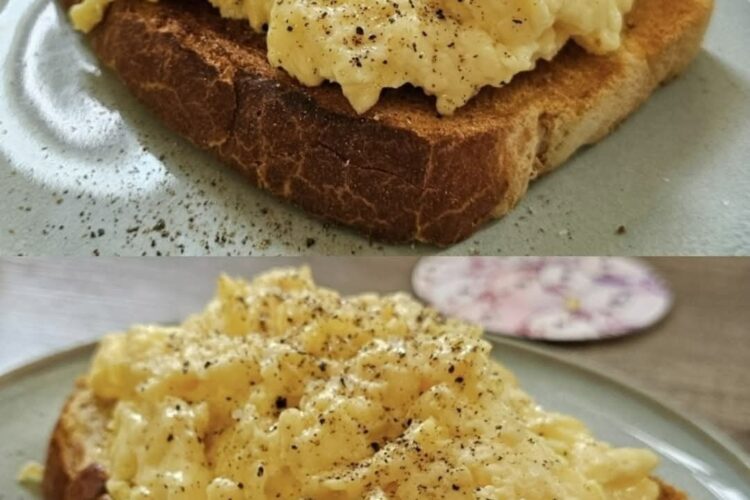
Why Creamy Scrambled Eggs Are the Perfect Breakfast Choice
Scrambled eggs are one of the most loved breakfast dishes around the world. They are quick to prepare, packed with protein, naturally low in carbohydrates, and incredibly satisfying. Whether you are making a healthy morning meal, a light lunch, or a quick dinner, fluffy scrambled eggs are always a reliable option.
Many people think scrambled eggs are simple, but creating restaurant-style eggs with a soft, creamy texture requires the right cooking method. The secret lies in slow cooking, gentle stirring, fresh ingredients, and perfect timing. When prepared correctly, scrambled eggs become rich, buttery, tender, and full of flavor.
This homemade scrambled eggs recipe is designed for beginners and experienced home cooks alike. It focuses on achieving light and airy eggs without overcooking them. Using low heat and continuous stirring helps develop delicate curds that melt in your mouth.
If you have ever wondered how cafés and breakfast restaurants create silky scrambled eggs, this guide explains every detail in an easy and practical way. From whisking techniques to cooking temperature, every small step contributes to the final texture.
What Makes Scrambled Eggs Soft and Fluffy?
The texture of scrambled eggs depends on several important factors. Understanding these cooking basics can completely improve your breakfast game.
1. Proper Whisking Creates Airy Eggs
Whisking eggs thoroughly before cooking incorporates air into the mixture. This extra air creates a lighter texture while cooking. The eggs should appear smooth and slightly frothy before they enter the pan.
Some cooks add a small amount of milk, cream, or half-and-half to make the eggs softer and richer. Dairy adds moisture and creates a creamy consistency without changing the flavor too much.
2. Cooking on Low Heat Is Essential
One of the biggest mistakes people make is cooking eggs over high heat. Fast cooking causes proteins to tighten quickly, creating dry and rubbery eggs.
Slow cooking over gentle heat allows the eggs to stay moist and creamy. It also gives you better control over the texture and prevents burning.
3. Butter Improves Flavor and Texture
Butter is one of the best ingredients for scrambled eggs because it adds richness and prevents sticking. Compared to cooking oil, butter provides a deeper flavor and smoother consistency.
Using unsalted butter allows better control over seasoning. As the butter melts slowly into the eggs, it creates a silky finish that tastes delicious.
4. Constant Stirring Creates Delicate Curds
Stirring the eggs continuously while cooking forms soft folds known as curds. These curds are the key to creamy scrambled eggs.
Using a silicone spatula or wooden spoon works best because it gently scrapes the bottom of the pan without damaging the surface.
5. Residual Heat Continues Cooking the Eggs
Eggs continue cooking even after they are removed from the stove. Taking them off the heat slightly early helps prevent overcooking.
The final result should be moist, tender, and slightly glossy rather than dry and crumbly.
Essential Ingredients for the Best Scrambled Eggs
Although scrambled eggs use only a few ingredients, quality matters greatly.
Fresh Eggs
Fresh eggs produce the best flavor, brighter color, and smoother texture. Farm-fresh eggs or organic eggs often create richer scrambled eggs because of their natural taste.
Why Fresh Eggs Matter
- Better texture
- Richer flavor
- More vibrant appearance
- Improved moisture retention
Butter
Butter adds creaminess and helps the eggs cook evenly. European-style butter or high-fat butter varieties can enhance the flavor even more.
Milk or Heavy Cream
Adding a small splash of milk or cream creates softer eggs. Heavy cream makes the eggs extra luxurious, while milk keeps them lighter.
Salt and Black Pepper
Seasoning should be added after cooking for the best texture. Adding salt too early can release excess moisture from the eggs.
Freshly cracked black pepper gives the eggs a mild spicy flavor.
Kitchen Tools That Help Make Perfect Scrambled Eggs
Having the right tools can make cooking easier and improve results.
Nonstick Frying Pan
A quality nonstick skillet prevents sticking and allows gentle cooking.
Silicone Spatula
A flexible spatula helps scrape the eggs from the bottom and edges of the pan without scratching the surface.
Mixing Bowl
A medium bowl gives enough space to whisk the eggs properly.
Balloon Whisk or Fork
A whisk incorporates more air, but even a fork can work well if used thoroughly.
Step-by-Step Method for Creamy Homemade Scrambled Eggs
Step 1: Crack and Beat the Eggs
Start by cracking the eggs into a clean bowl. Whisk them vigorously until the yolks and whites are completely blended.
The mixture should look smooth and slightly foamy. This step helps create a fluffy texture.
If desired, add a tablespoon of milk, cream, or even crème fraîche for added richness.
Step 2: Warm the Pan Slowly
Place a nonstick skillet over low heat. Add butter and allow it to melt gradually.
Avoid letting the butter brown because browned butter changes the flavor and may cook the eggs too quickly.
A gentle heat level gives you more control over the cooking process.
Step 3: Add the Eggs and Stir Continuously
Pour the egg mixture into the warm pan. Wait a few seconds until the edges begin to set slightly.
Using a spatula, slowly move the eggs across the pan. Push from the outer edges toward the center while scraping the bottom.
This movement forms soft folds and creamy curds.
Continue stirring gently and steadily.
Step 4: Stop Cooking Before the Eggs Look Fully Done
The eggs should still appear slightly soft and glossy when removed from the heat.
Residual heat will finish cooking them naturally.
This technique prevents dry scrambled eggs and maintains a creamy texture.
Step 5: Add Seasonings and Garnishes
Sprinkle salt and freshly ground black pepper over the eggs after cooking.
For extra flavor, you can add:
- Fresh parsley
- Chopped chives
- Dill
- Grated cheddar cheese
- Parmesan cheese
- Crumbled feta
- Red chili flakes
Serve immediately while hot and soft.
Common Mistakes That Ruin Scrambled Eggs
Using High Heat
Cooking eggs too quickly creates a tough and dry texture.
Overmixing During Cooking
While gentle stirring is important, aggressive stirring can break the curds into tiny dry pieces.
Overcooking the Eggs
Even one extra minute can turn creamy eggs into rubbery eggs.
Adding Salt Too Early
Salt can draw moisture from eggs during cooking, causing watery scrambled eggs.
Tips for Restaurant-Style Scrambled Eggs
Use Heavy Cream for Extra Richness
Adding cream creates a luxurious texture often found in high-end restaurants.
Cook Slowly and Patiently
Professional chefs rarely rush scrambled eggs. Slow cooking creates the smoothest consistency.
Remove Eggs from Heat Frequently
Some chefs alternate between heat and no heat while stirring for ultra-creamy eggs.
Use High-Quality Butter
Premium butter improves both flavor and mouthfeel.
Healthy Benefits of Scrambled Eggs
Scrambled eggs are not only delicious but also highly nutritious.
Excellent Source of Protein
Eggs help support muscle growth and keep you feeling full longer.
Rich in Vitamins and Minerals
Eggs naturally contain:
- Vitamin B12
- Vitamin D
- Selenium
- Choline
- Iron
Low-Carb and Keto-Friendly
Scrambled eggs are ideal for low-carb, keto, and high-protein diets.
Great for Quick Meals
They can be prepared in minutes, making them perfect for busy mornings.
Delicious Variations You Can Try
Cheesy Scrambled Eggs
Add shredded cheddar, mozzarella, or parmesan cheese.
Herb Scrambled Eggs
Mix in fresh herbs like parsley, basil, or chives.
Spicy Scrambled Eggs
Add chopped green chilies, paprika, or chili flakes.
Garlic Butter Eggs
Cook the eggs with a small amount of minced garlic in butter.
Mediterranean Style Eggs
Add feta cheese, olives, and diced tomatoes.
What to Serve with Scrambled Eggs
Scrambled eggs pair beautifully with many breakfast foods.
Popular Serving Ideas
- Toasted sourdough bread
- Avocado toast
- Roasted potatoes
- Fresh fruit
- Breakfast sausages
- Crispy turkey bacon
- Hash browns
- Pancakes
How to Store and Reheat Scrambled Eggs
Although scrambled eggs taste best fresh, leftovers can be stored properly.
Refrigeration
Store cooled eggs in an airtight container for up to 2 days.
Reheating
Warm gently over low heat or microwave briefly in short intervals.
Avoid overheating to maintain softness.
Frequently Asked Questions
Why Are My Scrambled Eggs Rubbery?
This usually happens from cooking over high heat or overcooking.
Can I Make Scrambled Eggs Without Milk?
Yes. Milk is optional. Eggs can still be creamy using butter alone.
Which Pan Works Best?
A nonstick skillet is ideal for smooth cooking and easy cleanup.
Can I Add Cheese During Cooking?
Yes. Add cheese near the end so it melts without overcooking.
Final Thoughts
Perfect scrambled eggs are all about patience and technique. Slow heat, fresh ingredients, and gentle stirring transform simple eggs into a rich and satisfying breakfast.
By following this easy homemade method, you can create soft scrambled eggs that are fluffy, creamy, buttery, and full of flavor every single time. Whether served plain or customized with herbs, cheese, or spices, scrambled eggs remain one of the easiest and most comforting meals to prepare.
Once you master this technique, your homemade breakfast will taste just as delicious as eggs served in a professional café or brunch restaurant.
Part 2: Easy Creamy Scrambled Eggs Recipe
Ingredients
- 4 large fresh eggs
- 1 tablespoon butter
- 1 tablespoon milk or heavy cream
- Salt to taste
- Freshly ground black pepper to taste
- Fresh chopped herbs for garnish (optional)
- Grated cheese for topping (optional)
Instructions
1. Beat the Eggs Well
Crack the eggs into a bowl and whisk until smooth and slightly frothy. Mix in the milk or cream for extra softness.
2. Heat the Pan Gently
Place a nonstick skillet over low heat. Add the butter and let it melt slowly without browning.
3. Cook the Eggs Slowly
Pour the eggs into the pan and stir continuously using a spatula. Gently scrape the bottom and sides to form soft curds.
4. Remove Before Fully Set
Take the eggs off the heat while they still look slightly creamy. The remaining heat will finish cooking them perfectly.
5. Season and Serve
Add salt and black pepper after cooking. Garnish with herbs or cheese if desired. Serve immediately while warm and fluffy.
Helpful Cooking Tips
- Always cook eggs on low heat.
- Use fresh eggs for the best flavor and texture.
- Butter gives richer flavor than oil.
- Avoid overcooking to keep eggs creamy.
- Stir gently for soft and fluffy curds.
