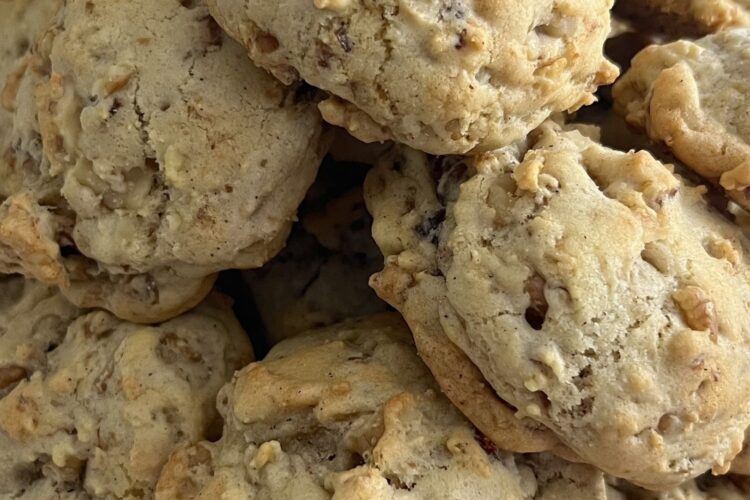
There’s something unforgettable about the aroma of warm spices drifting through the kitchen while a batch of homemade cookies bakes in the oven. Traditional German Rock Cookies are one of those nostalgic baked treats that instantly bring comfort, warmth, and memories of family gatherings. These rustic spice cookies, often known for their rough “rock-like” appearance and rich old-world flavor, have remained a treasured recipe in many homes for decades.
Unlike modern bakery-style cookies loaded with frosting and decorations, these vintage German cookies celebrate simplicity. Their charm comes from the soft interior, lightly crisp edges, and deep flavor created by cinnamon, nutmeg, cloves, butter, sugar, and buttermilk. Every bite delivers a cozy blend of holiday spices and old-fashioned homemade goodness.
These classic spice cookies are especially popular during the holiday season, but they’re just as satisfying with an afternoon cup of coffee or tea all year round. What makes them truly special is their texture. The dough is thick and hearty, producing cookies that look rustic and homemade rather than perfectly shaped. That homemade appearance is exactly what gives them their authentic character.
Why These German Rock Cookies Are So Loved
Traditional German baking recipes often focus on rich flavor, comforting textures, and pantry-friendly ingredients. This recipe follows the same philosophy. It uses everyday ingredients that come together to create something deeply flavorful and memorable.
The combination of warm spices creates a bakery-style aroma that fills the entire kitchen. Cinnamon adds sweetness and warmth, nutmeg brings earthy richness, and cloves add a bold, slightly smoky spice that gives these cookies their distinctive flavor.
Another reason these cookies stand out is the addition of buttermilk. Buttermilk helps create a tender texture while balancing the sweetness with a subtle tang. It also reacts with the baking soda to produce a softer, fluffier cookie interior.
The optional raisins and nuts add even more traditional character. Raisins contribute natural sweetness and chewiness, while chopped nuts create a satisfying crunch that pairs beautifully with the soft cookie base. Walnuts or pecans work especially well in this recipe because they complement the warm spices perfectly.
The History Behind German Rock Cookies
Old-fashioned German Rock Cookies have roots in traditional European farmhouse baking. Recipes like this were often created using affordable pantry staples and preserved ingredients that families kept on hand during colder months.
These cookies became especially popular because they stored well. Unlike delicate pastries, spice cookies like these could stay fresh for days in airtight containers, making them ideal for large families and holiday baking.
Many vintage cookie recipes were handwritten on recipe cards and passed from one generation to the next. Families often adjusted the spice levels slightly depending on personal preference, but the heart of the recipe always remained the same: warm spices, rich dough, and rustic homemade texture.
Even today, these cookies continue to evoke memories of grandmothers baking in cozy kitchens, holiday cookie trays, and comforting homemade desserts shared around the table.
What Makes These Cookies Unique
One of the defining features of German Rock Cookies is their uneven, rugged appearance. Unlike smooth sugar cookies or perfectly round chocolate chip cookies, these are intentionally rough and textured.
The thick dough is dropped by spoonfuls onto baking sheets, creating irregular mounds that resemble little rocks once baked. That signature look is where the name comes from.
Their texture is another standout feature. The outside becomes lightly firm while the inside stays tender and flavorful. As the cookies cool, they develop a pleasantly dense consistency that many people associate with traditional old-fashioned baking.
Because the flavor deepens over time, many bakers believe these cookies taste even better the next day. The spices settle and blend together, creating a richer and more developed taste after resting overnight.
Choosing the Best Ingredients for Rich Flavor
Butter or Shortening
Traditional recipes often use shortening because it creates a softer texture and longer shelf life. However, butter adds a richer flavor and slightly crisp edges. Either option works beautifully depending on personal preference.
For a more authentic homemade taste, many bakers prefer using real butter because it enhances the warm spice notes throughout the cookies.
Granulated Sugar
Classic white sugar provides sweetness while helping create the cookies’ signature texture. Creaming the sugar properly with butter or shortening is important because it creates air pockets that help the cookies bake evenly.
Eggs
Eggs provide structure, moisture, and richness. Adding them one at a time ensures the dough stays smooth and properly emulsified.
Buttermilk
Buttermilk is one of the secret ingredients that gives these cookies their soft texture and subtle tangy flavor. It keeps the cookies moist while balancing the sweetness and spices.
Vanilla Extract
Pure vanilla extract enhances all the other flavors in the dough. It creates depth and adds bakery-style warmth to every bite.
Flour
All-purpose flour forms the structure of the cookies. Because the dough is intentionally thick, it’s important not to overmix once the flour is added.
Baking Soda and Baking Powder
These leavening agents help create the ideal texture. Baking soda reacts with the buttermilk, while baking powder provides additional lift during baking.
Warm Baking Spices
The heart of this recipe lies in the spice blend. Cinnamon provides warmth and sweetness, nutmeg adds earthy richness, and cloves bring bold traditional flavor.
Some bakers also enjoy adding a tiny pinch of ginger or allspice for additional depth while still keeping the recipe authentic.
Raisins and Nuts
Though optional, raisins and chopped nuts are often included in vintage German-style cookies. Raisins add chewy sweetness, while walnuts or pecans create texture and nutty flavor.
Tips for Achieving the Perfect Texture
Do Not Overmix the Dough
Once the dry ingredients are added, stir only until everything is combined. Overmixing can make the cookies tough instead of soft and tender.
Expect Thick Dough
This dough should be dense and sticky. That texture is completely normal and essential for creating the rustic cookie shape.
Leave Space Between Cookies
Although these cookies do not spread dramatically, they still need a little room while baking. Proper spacing helps them bake evenly.
Watch the Baking Time Carefully
The cookies should be lightly browned on the bottom while remaining soft in the center. Overbaking can dry them out and reduce their rich homemade texture.
Allow Them to Cool Properly
The cookies continue to firm up as they cool. Letting them rest on the baking sheet for a few minutes before transferring to a wire rack helps them set correctly.
Why These Cookies Taste Better the Next Day
One of the most beloved qualities of old-fashioned spice cookies is how their flavor matures over time. After sitting overnight in a sealed container, the spices become deeper and more balanced.
This makes German Rock Cookies an excellent make-ahead dessert for holidays, family gatherings, or cookie exchanges.
Their sturdy texture also means they travel well and maintain freshness longer than many softer cookie varieties.
Best Ways to Serve German Rock Cookies
These rustic cookies pair beautifully with many cozy beverages and desserts.
Serve them with:
- Fresh coffee
- Hot tea
- Warm milk
- Hot chocolate
- Spiced cider
They also make wonderful additions to holiday cookie trays or homemade dessert platters.
For an extra special touch, lightly dust the cooled cookies with powdered sugar before serving.
Storage Tips for Long-Lasting Freshness
One reason these cookies became so popular historically is their excellent shelf life.
To keep them fresh:
- Store in an airtight container at room temperature
- Keep away from direct heat or sunlight
- Layer parchment paper between stacked cookies
They typically stay fresh for over a week and may become even more flavorful after a day or two.
You can also freeze the baked cookies for several months. Simply thaw at room temperature before serving.
A Comforting Homemade Treat Worth Sharing
There’s a reason recipes like these survive for generations. They represent more than dessert—they symbolize comfort, family traditions, and the joy of homemade baking.
These old-fashioned German Rock Cookies capture everything people love about vintage recipes: warm spices, simple ingredients, rustic appearance, and unforgettable flavor.
Whether baked during the holidays or enjoyed as an everyday sweet treat, they bring a feeling of warmth and nostalgia that modern desserts often miss.
Their imperfect shape is part of their beauty, reminding us that homemade baking doesn’t need to look flawless to be deeply comforting and delicious.
If you love traditional spice cookies, classic homemade desserts, or vintage family recipes, this timeless German cookie recipe deserves a permanent place in your kitchen collection.
Part 2 – Simple German Rock Cookies Recipe
Rustic German Spice Rock Cookies
Ingredients
- 1 cup shortening or butter
- 2 cups granulated sugar
- 2 large eggs
- 1 cup buttermilk
- 1 teaspoon vanilla extract
- 4 cups all-purpose flour
- 1 teaspoon baking soda
- 1 teaspoon baking powder
- 1 teaspoon ground cinnamon
- ½ teaspoon ground nutmeg
- ¼ teaspoon ground cloves
- 1 cup raisins (optional)
- 1 cup chopped walnuts or pecans (optional)
Instructions
Step 1: Prepare the Cream Mixture
In a large mixing bowl, beat together the butter (or shortening) and sugar until the mixture becomes light and fluffy.
Step 2: Add Eggs and Liquid Ingredients
Mix in the eggs one at a time. Stir in the buttermilk and vanilla extract until smooth and fully combined.
Step 3: Blend the Dry Ingredients
In another bowl, whisk together the flour, baking soda, baking powder, cinnamon, nutmeg, and cloves.
Step 4: Form the Cookie Dough
Slowly combine the dry ingredients with the wet mixture. Stir gently until just mixed. Fold in raisins and chopped nuts if desired. The dough will be thick and sticky.
Step 5: Shape the Cookies
Drop spoonfuls of dough onto a greased or parchment-lined baking sheet, leaving space between each cookie.
Step 6: Bake Until Set
Bake in a preheated oven at 350°F (175°C) for 12–15 minutes or until the bottoms are lightly golden and the tops are firm.
Step 7: Cool Before Serving
Allow the cookies to cool on the baking sheet for several minutes before transferring them to a wire rack.
Helpful Baking Tips
- Avoid overbaking to keep the cookies soft inside
- The flavor becomes richer the next day
- Store in an airtight container for best freshness
- Perfect for holiday baking and homemade cookie trays
