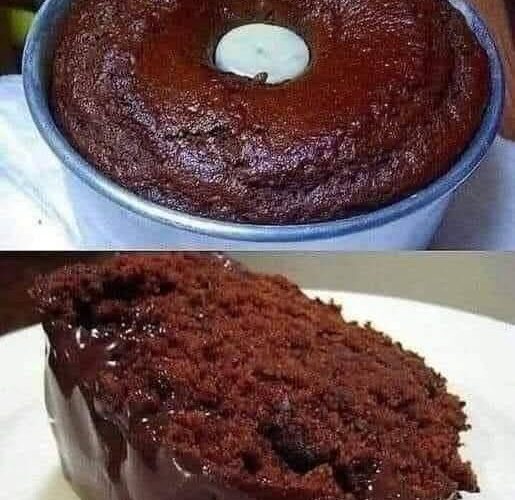
Chocolate cake has earned its place as one of the most cherished desserts across cultures and generations. From birthdays and family gatherings to casual tea-time indulgence, its deep cocoa flavor and soft, melt-in-the-mouth texture make it irresistible. However, traditional chocolate cake recipes are often loaded with refined sugar, white flour, and high-calorie ingredients, which can make them unsuitable for people managing blood sugar levels or following a healthier lifestyle.
This reinvented version of chocolate cake is thoughtfully designed for those who want to enjoy dessert without the drawbacks of excessive sugar and carbs. Whether you’re following a diabetic diet, a low-carb meal plan, or simply aiming for clean eating, this recipe offers a balanced approach—without sacrificing flavor or satisfaction.
Why Choose a Sugar-Free Chocolate Cake?
Managing blood glucose levels is not just important for individuals with diabetes—it’s also beneficial for overall health. Foods made with refined sugar and processed flour tend to digest quickly, causing sudden spikes in blood sugar followed by energy crashes. Over time, this can contribute to weight gain, insulin resistance, and other metabolic issues.
This healthier chocolate cake alternative avoids those pitfalls by using ingredients that are lower on the glycemic index. That means they release energy more slowly, helping maintain stable blood sugar levels while keeping you satisfied for longer.
Smarter Ingredients for Better Health
The magic of this recipe lies in ingredient substitution. Instead of simply removing sugar, we replace it with alternatives that deliver sweetness and texture while supporting better health.
Almond Flour Instead of White Flour
Almond flour is a game-changer in healthy baking. It’s naturally gluten-free and significantly lower in carbohydrates compared to traditional flour. Rich in healthy fats, fiber, and protein, almond flour helps slow digestion and supports stable energy levels. It also gives the cake a moist, slightly dense texture that pairs beautifully with chocolate.
Natural Sweeteners Over Refined Sugar
Instead of sugar, this recipe uses erythritol or monk fruit sweetener—both popular in keto and diabetic-friendly baking. These alternatives provide sweetness without causing significant spikes in blood glucose. They are also low in calories and do not contribute to tooth decay like regular sugar.
Healthy Oils for Moisture and Richness
Rather than relying on butter alone, this recipe incorporates coconut oil or olive oil. These fats not only enhance the texture but also provide beneficial fatty acids that support heart health and satiety.
Yogurt for Texture and Nutrition
Adding unsweetened yogurt—especially Greek yogurt—improves the cake’s softness and introduces a subtle tang that enhances the chocolate flavor. It also adds protein and beneficial probiotics, making the dessert more nutritionally balanced.
Achieving the Perfect Chocolate Flavor Without Sugar
One common concern with sugar-free desserts is that they may taste bland or artificial. This recipe avoids that issue by focusing on high-quality cocoa powder and balanced flavor layering.
Cocoa powder brings a deep, rich chocolate taste, while vanilla extract enhances overall aroma and sweetness perception. When combined with the right sweetener, the result is a cake that tastes just as indulgent as a traditional version—without the sugar overload.
For an even richer flavor, a small amount of instant coffee can be added. It won’t make the cake taste like coffee but will intensify the chocolate notes.
Suitable for Multiple Diets
This cake isn’t just for diabetics—it’s a versatile dessert that fits into several modern eating styles:
- Low-Carb Lifestyle: Reduced carbohydrates help support weight management and metabolic health
- Keto-Friendly Option: When using keto-approved sweeteners, it aligns with ketogenic macros
- Gluten-Free Diet: Almond flour eliminates gluten entirely
- Clean Eating Approach: Free from refined sugar and heavily processed ingredients
Understanding the Science Behind the Bake
Baking without traditional flour and sugar requires a slightly different technique. Almond flour lacks gluten, which normally provides elasticity and structure in baked goods. This is why eggs are essential—they act as a binding agent and help give the cake its structure.
Leavening agents like baking powder and baking soda are carefully balanced to ensure the cake rises properly. Since sugar substitutes behave differently during baking (they don’t caramelize the same way), keeping an eye on baking time is important to avoid dryness.
Creative Variations to Try
This recipe is flexible and can be customized based on your taste preferences:
- Add chopped walnuts or almonds for a crunchy texture
- Mix in sugar-free dark chocolate chips for extra indulgence
- Use coconut milk or almond milk to make it dairy-free
- Add a pinch of cinnamon for a warm, spiced flavor twist
Healthier Frosting Options
Traditional frosting is often loaded with powdered sugar, but you can create a delicious alternative using cream cheese and a sugar-free sweetener. This produces a creamy, smooth topping that complements the cake without overwhelming it.
Other topping ideas include:
- Light whipped cream with no added sugar
- Sugar-free chocolate ganache
- A simple dusting of cocoa powder for a minimal look
Portion Awareness Still Matters
Even though this cake is much healthier than traditional versions, moderation is key. Eating large portions—even of low-carb desserts—can still impact blood sugar levels.
A sensible serving paired with a balanced meal is the best way to enjoy this treat. If you are diabetic, it’s always wise to monitor your glucose levels after trying new recipes to see how your body responds.
Common Baking Mistakes to Avoid
To get the best results, keep these tips in mind:
- Avoid overmixing the batter, as it can affect the texture
- Use finely ground almond flour for a smoother consistency
- Measure ingredients accurately to maintain the right balance
- Allow the cake to cool fully before applying frosting
Nutritional Highlights of Key Ingredients
- Almond Flour: High in vitamin E, magnesium, and healthy fats
- Cocoa Powder: Packed with antioxidants that may support heart health
- Eggs: Provide protein and essential vitamins
- Yogurt: Supports digestion and adds beneficial probiotics
- Natural Sweeteners: Help reduce calorie intake and maintain stable blood sugar
Enjoy Dessert Without Compromise
This healthier chocolate cake proves that you don’t need to give up your favorite desserts to maintain a balanced lifestyle. With thoughtful ingredient swaps and smart baking techniques, you can create a treat that is both delicious and nourishing.
It’s simple to prepare, uses easily available ingredients, and delivers consistent results—making it perfect for both beginners and experienced bakers.
Source:
This recipe is an original adaptation inspired by modern low-carb, keto-friendly, and diabetic-conscious baking principles commonly used in contemporary healthy cooking.
Part 2: Easy Step-by-Step Chocolate Cake Recipe (Sugar-Free & Low-Carb)
Ingredients
Dry Ingredients:
- 1 cup almond flour
- ¼ cup unsweetened cocoa powder
- 1 teaspoon baking powder
- ½ teaspoon baking soda
- A pinch of salt
Wet Ingredients:
- 3 eggs
- ⅓ cup erythritol or monk fruit sweetener
- ⅓ cup plain or Greek yogurt (unsweetened)
- ¼ cup coconut oil or olive oil
- 1 teaspoon vanilla extract
- ¼ cup milk or almond milk
Instructions
- Preheat your oven to 180°C (350°F). Grease or line a cake pan.
- In a bowl, mix all the dry ingredients until well combined.
- In another bowl, whisk the eggs and sweetener until slightly fluffy.
- Add yogurt, oil, vanilla extract, and milk. Mix until smooth.
- Gradually combine the dry ingredients with the wet mixture. Stir gently until fully incorporated.
- Pour the batter into the prepared pan and spread evenly.
- Bake for 25–30 minutes, or until a toothpick inserted in the center comes out clean.
- Let the cake cool completely before serving or adding frosting.
Optional Sugar-Free Frosting
Ingredients:
- ½ cup cream cheese
- 2–3 tablespoons powdered erythritol
- 2 tablespoons cocoa powder
- 1 teaspoon vanilla extract
Method:
Mix all ingredients until smooth and creamy. Spread evenly over the cooled cake.
If you want, I can also turn this into a SEO blog post with meta description, tags, and title to help it rank on Google.
