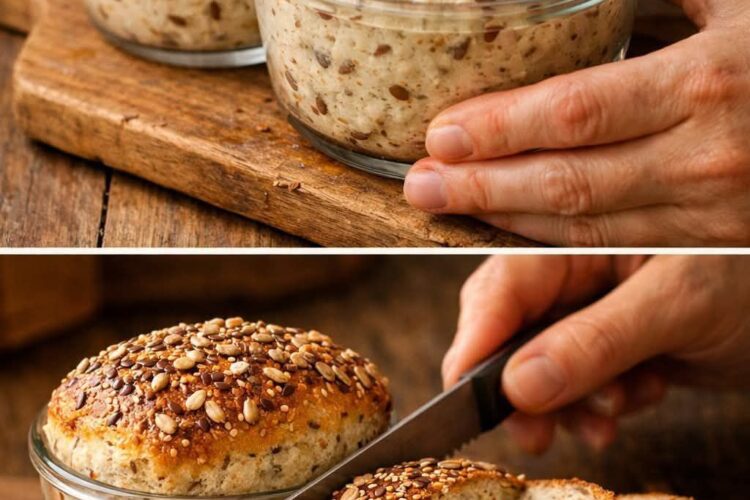
A New Way to Bake Bread at Home Without Effort
There is something deeply comforting about the smell of freshly baked bread filling your home. For many people, baking bread feels like a complicated process that requires kneading, precise timing, and advanced skills. But this seeded no-knead jar bread recipe changes everything. It is designed for simplicity, making it one of the most searched easy homemade bread recipes today. With minimal ingredients and almost no hands-on work, you can create a loaf that rivals artisan bakery bread.
This method is perfect for beginners, busy individuals, or anyone who wants a quick homemade bread recipe without sacrificing quality. The beauty lies in its simplicity: mix, rest, and bake. No kneading, no stress—just pure homemade goodness.
Why This No-Knead Bread Recipe Is Trending Worldwide
In recent years, no-knead bread has become incredibly popular, especially among home bakers looking for easy artisan bread recipes. The reason is simple: it delivers excellent results with very little effort.
Here’s why this recipe stands out:
- No kneading required – Saves time and effort
- Minimal ingredients – Pantry-friendly and affordable
- Slow fermentation – Enhances flavor naturally
- Crispy crust + soft interior – Perfect texture balance
- Healthy seed blend – Adds nutrients and crunch
This recipe aligns perfectly with modern cooking trends like clean eating, homemade baking, and simple recipes with maximum flavor.
Understanding the Magic of No-Knead Dough
Traditional bread relies heavily on kneading to develop gluten, which gives bread its structure. However, in this recipe, time replaces effort.
When you allow the dough to rest for 8–12 hours, something incredible happens:
- The flour absorbs water slowly
- Gluten develops naturally
- Air bubbles form, creating a light texture
- Flavor deepens due to fermentation
This process is often called slow fermentation bread baking, and it’s one of the secrets behind bakery-quality bread at home.
The Role of Seeds in Healthy Homemade Bread
What makes this bread truly special is the addition of mixed seeds. These are not just for decoration—they transform the bread into a nutrient-rich, high-fiber loaf.
Common seeds used in this recipe include:
- Flax seeds
- Sunflower seeds
- Sesame seeds
- Pumpkin seeds
These ingredients add:
- Healthy fats for heart health
- Fiber for digestion
- Protein for sustained energy
- Crunchy texture for a gourmet feel
This makes the recipe ideal for people searching for healthy bread recipes, high-fiber foods, or plant-based nutrition options.
Why Baking Bread in a Jar Works So Well
Unlike traditional loaf pans, baking in a jar or small dish creates a unique environment for the dough. The shape helps the bread rise upward while maintaining moisture inside.
Benefits of jar baking include:
- Compact, tall loaf shape
- Moist interior crumb
- Even heat distribution
- Easy portion control
This method is especially useful for small kitchens or those who don’t have professional baking tools.
Key Ingredients Explained for Better Results
Every ingredient in this recipe plays an important role:
All-Purpose Flour
This is the foundation of the bread. It provides structure and helps create a soft interior.
Instant Yeast
A small amount is enough to activate fermentation over time. It helps the dough rise slowly and develop flavor.
Salt
Enhances taste and strengthens gluten structure.
Warm Water
Activates yeast and hydrates the flour. The temperature should be warm—not hot.
Mixed Seeds
Add nutrition, crunch, and visual appeal.
Honey or Olive Oil (Optional)
Adds subtle sweetness or richness, improving flavor and texture.
The Secret Behind the Perfect Texture
The hallmark of a great artisan bread is its texture: crispy on the outside and soft on the inside. This recipe achieves that balance through:
- High hydration dough (slightly sticky consistency)
- Long resting time
- Gentle handling of the dough
- Proper baking temperature
Avoid overmixing or overhandling, as this can make the bread dense.
Step-by-Step Philosophy: Simplicity Over Perfection
This recipe is not about perfection—it’s about ease and consistency. The dough will look messy, sticky, and uneven—and that’s exactly how it should be.
Key principles to remember:
- Sticky dough = airy bread
- Long rest = better flavor
- Minimal handling = soft texture
Once you embrace this approach, bread baking becomes effortless.
Creative Variations to Customize Your Bread
While keeping the base ingredients unchanged, you can enhance the bread in many ways:
Herb-Infused Bread
Add rosemary or thyme for an aromatic twist.
Cheese Bread
Mix in shredded cheddar or mozzarella for a savory loaf.
Whole Wheat Version
Replace part of the flour with whole wheat for extra fiber.
Sweet Breakfast Bread
Add dried fruits and nuts for a slightly sweet variation.
These variations help turn a simple recipe into a versatile staple.
Best Ways to Enjoy Seeded Jar Bread
This bread is incredibly versatile and can be served in many ways:
- With butter or honey for breakfast
- Alongside soups and stews
- As a base for sandwiches
- Toasted with avocado or eggs
- Paired with cheese and spreads
Its flavor adapts beautifully to both sweet and savory dishes.
Health Benefits of Homemade Seeded Bread
Compared to store-bought bread, this homemade version offers several advantages:
- No preservatives or artificial additives
- Lower sodium content
- Higher fiber from seeds
- Better digestion due to fermentation
- More control over ingredients
This makes it a great choice for those focusing on clean eating, weight management, or balanced nutrition.
Common Mistakes and How to Avoid Them
Even simple recipes can go wrong if a few key details are ignored:
- Using hot water → kills yeast
- Not resting long enough → poor texture
- Overmixing → dense bread
- Skipping greasing → bread sticks to jar
- Cutting too early → gummy texture
Following the method carefully ensures consistent results every time.
Storage Tips for Freshness
To keep your bread fresh:
- Store at room temperature in a sealed container
- Consume within 2–3 days
- Slice only when needed
- Avoid refrigeration (can dry it out)
You can also freeze slices for longer storage.
Why This Recipe Fits Modern Lifestyles
Today’s kitchens demand recipes that are:
- Quick
- Easy
- Nutritious
- Budget-friendly
This no-knead bread checks all those boxes. It requires minimal effort but delivers maximum satisfaction.
Final Thoughts: A Bread Recipe You’ll Keep Forever
This seeded no-knead jar bread is more than just a recipe—it’s a method that simplifies baking and makes it accessible to everyone. It proves that you don’t need professional skills to create something truly special.
Once you try it, it will likely become a regular part of your routine. It’s reliable, flexible, and endlessly rewarding.
Part 2: Simple & Easy Recipe Card
Easy Seeded No-Knead Jar Bread
Ingredients
- 2 cups all-purpose flour
- 1 teaspoon salt
- ½ teaspoon instant yeast
- ¾ cup warm water
- 1 tablespoon mixed seeds (flax, sunflower, sesame, or pumpkin)
- 1 teaspoon honey or olive oil (optional)
- Extra seeds for topping
Instructions
1. Mix Dry Ingredients
In a bowl, combine flour, salt, yeast, and mixed seeds.
2. Add Water
Pour in warm water and mix until a sticky dough forms.
3. Rest the Dough
Cover and let it sit at room temperature for 8–12 hours until bubbly and doubled.
4. Prepare Baking Container
Grease a heat-safe jar or small baking dish.
5. Transfer Dough
Place the dough into the jar gently. Sprinkle extra seeds on top.
6. Bake
Preheat oven to 375°F (190°C). Bake for 30–40 minutes until golden brown.
7. Cool Before Slicing
Let bread cool slightly before cutting.
Quick Tips
- Use warm (not hot) water
- Keep dough slightly sticky
- Allow full resting time
- Grease container well
- Check doneness by tapping (should sound hollow)
Nutrition (Approx.)
- Calories: Moderate
- Fiber: High (from seeds)
- Protein: Moderate
- Healthy fats: Present
