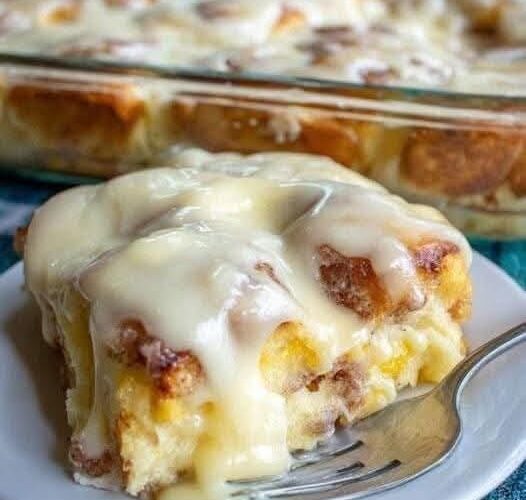
There are few things in the world of baking that compare to the irresistible aroma of freshly baked cinnamon rolls drifting through your kitchen. That warm, sweet scent of cinnamon spice, buttery dough, and caramelized sugar creates a comforting experience that feels almost magical. If you’ve ever wanted to recreate bakery-style cinnamon rolls at home, this recipe will guide you step by step with professional-level results—without the intimidation.
This homemade cinnamon rolls recipe is designed for anyone who craves soft, gooey, perfectly swirled rolls topped with a rich cream cheese glaze. Whether you’re baking for breakfast, brunch, or a special occasion, these rolls deliver a melt-in-your-mouth texture and bakery-quality flavor every single time.
Why These Cinnamon Rolls Are Worth Making at Home
Making cinnamon rolls from scratch might sound like a project, but the reward is unmatched. Store-bought rolls often lack freshness and depth of flavor. When you make them yourself, you control every element—from the softness of the dough to the richness of the filling.
These rolls are:
- Ultra soft and fluffy inside
- Perfectly golden on the outside
- Packed with warm cinnamon sugar flavor
- Finished with a smooth, creamy glaze
Plus, the process itself is incredibly satisfying. Watching dough rise and transform into something beautiful is part of the joy of baking.
Understanding the Dough: The Foundation of Perfect Rolls
The secret to soft cinnamon rolls lies in the dough. This recipe uses a yeast-based dough that creates a light, airy texture.
Key Ingredients Explained
- Warm milk helps activate the yeast and adds richness
- Instant yeast speeds up the rising process
- Sugar feeds the yeast and enhances flavor
- Butter adds softness and richness
- Eggs create structure and tenderness
- Flour forms the base of the dough
The dough should feel slightly sticky but still manageable. Over-flouring can lead to dense rolls, so it’s important to strike the right balance.
The Science Behind Dough Rising
Yeast is a living organism that feeds on sugar and releases gas, causing the dough to rise. When you let the dough rest, it develops both flavor and texture.
To get the best rise:
- Use warm milk (not hot, or it will kill the yeast)
- Let the dough rest in a warm, draft-free environment
- Cover the dough to retain moisture
After about an hour, your dough should double in size, becoming soft and pillowy.
Rolling and Shaping for Perfect Swirls
Once your dough has risen, it’s time to shape it. This step is where your cinnamon rolls start to take form.
Rolling the dough into a rectangle ensures even layers. Spreading melted butter across the surface allows the cinnamon sugar mixture to stick and create that signature gooey filling.
When rolling:
- Roll tightly to keep the layers intact
- Keep the shape even for uniform baking
- Avoid pressing too hard to maintain airiness
Creating the Classic Cinnamon Sugar Filling
The filling is what gives cinnamon rolls their iconic flavor. A combination of butter, brown sugar, and cinnamon creates a rich, caramel-like interior.
Why Brown Sugar Works Best
Brown sugar contains molasses, which adds moisture and a deeper flavor compared to white sugar. When baked, it melts into the dough, creating a gooey texture.
Cinnamon: The Star Spice
Cinnamon adds warmth and depth. Using high-quality ground cinnamon enhances the overall taste and aroma.
Cutting the Rolls Like a Pro
Instead of using a knife, this recipe suggests using thread to cut the rolls. This method prevents squishing and keeps the shape intact.
Simply slide a piece of thread under the roll, cross it over the top, and pull—it creates clean, even slices.
Second Rise: The Secret to Fluffy Texture
After placing the rolls in a baking dish, they need a second rise. This step is crucial for achieving soft, airy rolls.
During this stage:
- Rolls expand and fill the pan
- Texture becomes lighter
- Layers become more defined
Skipping this step can result in dense rolls, so patience is key.
Baking to Golden Perfection
Baking at a moderate temperature ensures even cooking. The rolls should turn lightly golden on top while staying soft inside.
Tips for best results:
- Avoid overbaking to keep them moist
- Check at the 20-minute mark
- Ovens vary, so monitor closely
The Cream Cheese Glaze: The Final Touch
No cinnamon roll is complete without a luscious glaze. This one combines cream cheese, butter, powdered sugar, vanilla, and milk for a smooth, creamy finish.
Why Add Glaze While Warm?
Spreading the glaze over warm rolls allows it to melt slightly, seeping into every layer for maximum flavor.
Storage and Freshness Tips
If you somehow have leftovers, store them properly to maintain freshness:
- Keep in an airtight container
- Store at room temperature for up to 4 days
- Reheat slightly before serving for best texture
Optional Add-Ins for Extra Flavor (Authentic Enhancements)
While keeping the base recipe intact, you can enhance flavor with:
- A pinch of nutmeg in the filling
- A dash of salt in the glaze to balance sweetness
- A drizzle of honey for added richness
These additions elevate the rolls without changing the core recipe.
Perfect Occasions for Serving Cinnamon Rolls
These homemade cinnamon rolls are ideal for:
- Weekend breakfasts
- Holiday mornings
- Family gatherings
- Dessert platters
They’re comforting, indulgent, and always a crowd favorite.
Why This Recipe Works Every Time
This method focuses on:
- Proper yeast activation
- Balanced ingredients
- Correct rising times
- Gentle handling of dough
Even beginners can achieve bakery-quality cinnamon rolls with this approach.
Part 2: Simple Step-by-Step Cinnamon Rolls Recipe
Ingredients
For the Dough
- 1 cup warm milk (lukewarm, not hot)
- 1 tablespoon instant yeast
- 2 tablespoons sugar
- 1 teaspoon salt
- 3 tablespoons softened butter
- 2 small eggs
- 3 cups all-purpose flour
For the Filling
- ¼ cup melted butter
- 1 cup brown sugar
- 2 tablespoons ground cinnamon
For the Cream Cheese Glaze
- 4 to 8 ounces softened cream cheese
- ¼ cup butter
- 1½ cups powdered sugar
- ½ teaspoon vanilla extract
- 2 tablespoons milk
Instructions
- In a stand mixer with a dough hook, combine warm milk, yeast, sugar, salt, butter, and eggs on low speed.
- Gradually add flour while mixing until a soft dough forms. Increase speed slightly and mix until the dough pulls away from the sides. Add a little extra flour if needed.
- Transfer the dough to a lightly greased bowl. Cover and let it rise for about 1 hour or until doubled in size.
- Grease a 9×13-inch baking dish and set aside.
- Roll the dough into a 12×18-inch rectangle on a floured surface.
- Brush melted butter evenly over the dough.
- Mix brown sugar and cinnamon in a bowl, then sprinkle evenly over the buttered surface.
- Roll the dough tightly from the long side to form a log.
- Cut into 12 equal slices using thread or a sharp knife.
- Place the rolls into the prepared baking dish. Cover and let rise for 45 minutes.
- Preheat oven to 325°F (163°C).
- Bake for 20–30 minutes until lightly golden brown.
- While warm, prepare the glaze by mixing cream cheese, butter, powdered sugar, vanilla, and milk until smooth.
- Spread glaze over warm rolls and serve immediately.
- Store leftovers in an airtight container for up to 4 days.
